Pests are always known to be a farmer’s biggest challenge, but the discovery of Fall Armyworms (FAW) in the masses, has left Queensland farmers in a state of shock.
FAW reached the mainland of Australia in early 2020 and has since spread across to most parts of northern and eastern Queensland.
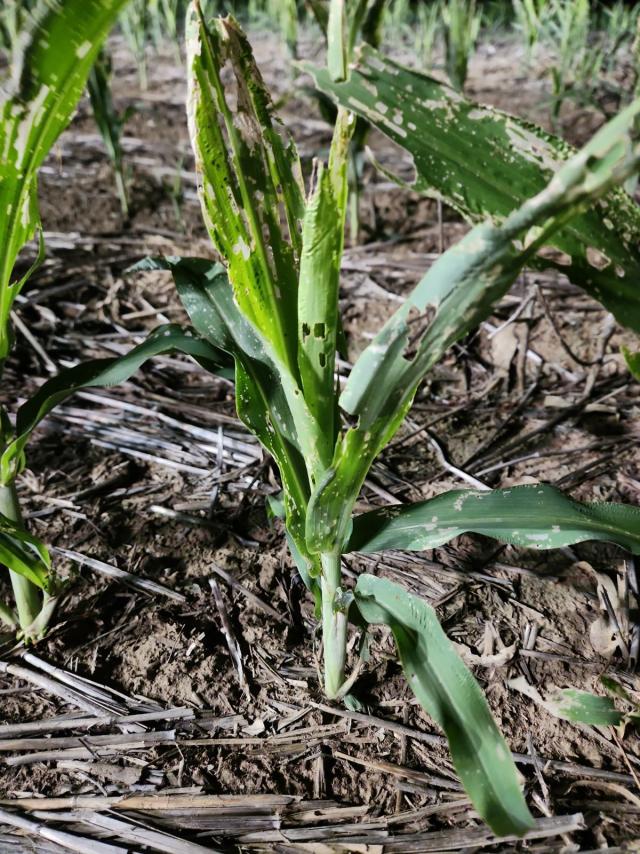
Elders Biloela senior agronomist Gavin Lots said FAW significantly impacts and targets sorghum and corn crops.
“This has been the worst year since their arrival,” he said.
“Given the way the weather has been this year, it is not surprising that they have returned in masses.”
Gavin said they have noticed Central Queensland and the Darling Downs region have been affected severely by the pest.
“I recommend all farmers to be alert and monitor their crops, especially in the early stages,” Gavin said.
“Once the crops get to a certain size farmers should be able to keep ahead of the pests.”
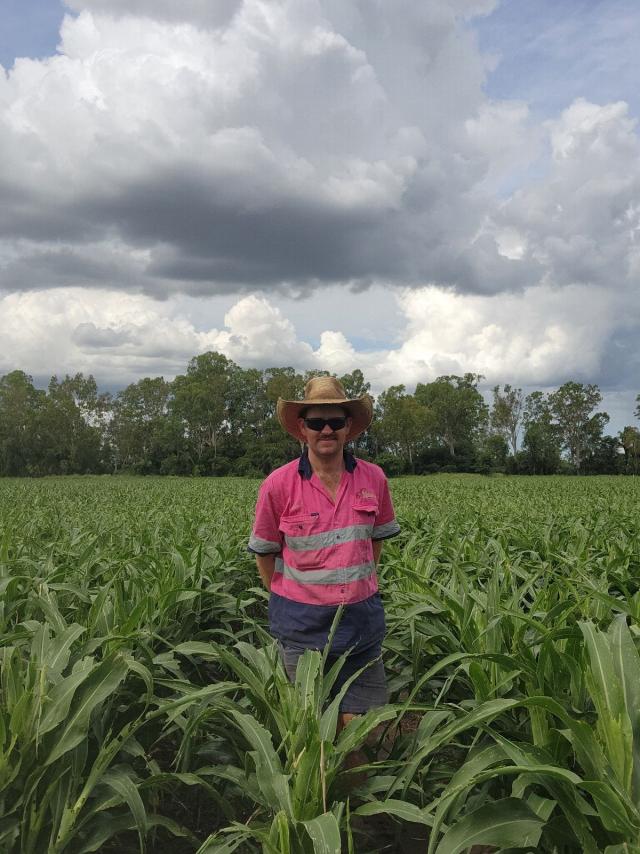
Biloela farmer Scott Muller said he discovered the pest when his crop was four inches high.
“At the rate they were chewing it, my crop wasn’t going to get to the vegetative stage,” he said.
“It looks like a hail storm has been through it.
“I am most worried about how much damage will be done to the head of the plant once it gets to that stage.”
Due to the pest’s implications, Scott said he might switch from sorghum to cotton.
“Before I had an issue with FAW, I had corn crops, but I have now had to stop because FAW would destroy them,” he said.
Scott said he has always been aware of FAW but had never realised how much of a threat they could be.
“They are a threat because of the large number of them and the amount of damage they do to the crops,” he said.
“I walked out to my backyard and saw them in my grass, which I have never seen before.”
Scott said the most difficult part is knowing when to spray and when not to.
“We could knock out 80 per cent of the pests one week and then in another two weeks another pest like the moths will be back and lay eggs, and then you’re back to where you started,” he said.
“You can’t just plough the crop because the resident chemistry we use when planting grain will kill the next seed you plant.”
Scott and other affected farmers hope their representative teams can help shed light towards research on FAW.
“I know our representatives are doing everything they can, but I hope they can find a strategy and new chemistries to minimise the impact FAW has,” Scott said.