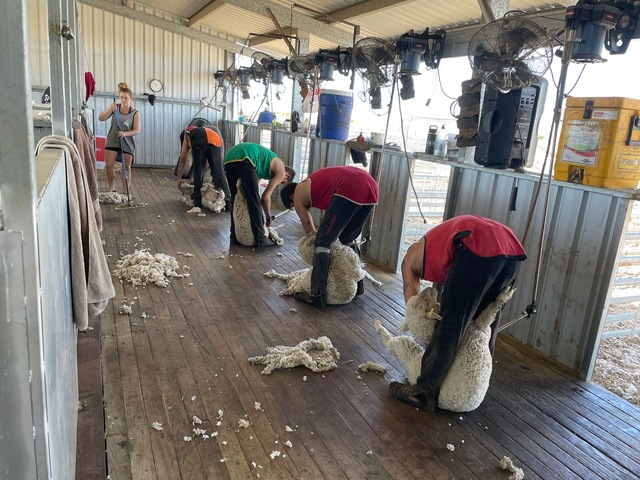
A Bill to phase out live sheep exports by sea on 1 May 2028 has officially been passed only two months after the Albanese Government proposed it, leaving producers worried and animal welfare advocates celebrating victory.
A Federal transition support package of $107 million will be distributed to the Australian sheep industry in support of the Bill, however many believe it falls millions of dollars short of what is required.
Founding member of the Livestock Collective and Sheep Producers Australia and board member Bindi Murray said farmers would require at least $255 million – $100 million in support for processors, $100 million for the supply chain, $20 million for market development, $15 million for air freight, $10 million for community support and mental health and $10 million for exit payments.
On the contrary, committee chair Meryl Swanson MP said the Bill fulfilled the Albanese government’s election promise to end the live export of sheep by sea while providing time and money for the orderly transition of the industry to new avenues of production and trade.
Farming organisations like AgForce have shared their deep concerns about the Bill and have estimated there will be over 3500 families affected more as a direct result.
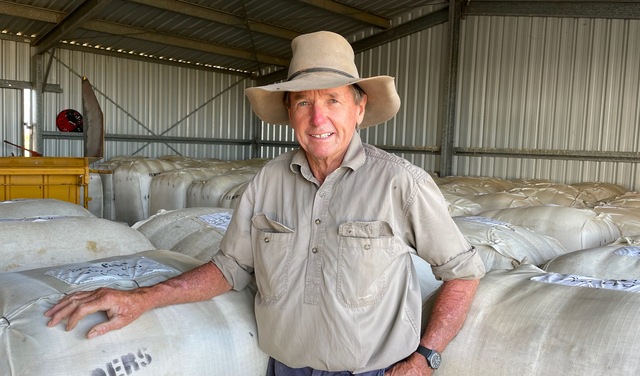
Former AgForce sheep and wool president and Longreach sheep and cattle breeder Mike Pratt is disgusted with the government’s decision and claims it is not based on factual evidence.
“It is a political decision that will financially and mentally devastate not only sheep producers but everyone involved in the industry,” he said.
“The sheep will be transported to the eastern sale yards and the abattoir from Western Australia which will put pressure on our downward markets.”
According to Meat and Livestock Australia’s 2020 report, 777,798 sheep were exported by sea of which 0.224 per cent died onboard.
This report showcased a 15 per cent decrease in mortality rate since 2019.
“On land, sheep farmers accept a three per cent mortality rate from natural causes,” Mr Pratt said.
“Due to the Australian standards for the export of livestock, the death rate while onboard is lower than when the livestock are on land.
“From an incident in 2018, the livestock now have 38 per cent more room onboard, decreasing their stress levels, hence acquiring more weight.
“The Australian government put an Exporter Supply Chain Assurance System (ESCAS) in place to ensure the entire supply chain is monitored until the point of slaughter.”
While the spotlight is on the Australian sheep industry, AgForce chief executive officer Michael Guerin is worried the focus will turn to Australia’s cattle industry.
“The industry has worked extremely hard and has delivered more than what it’s been asked in terms of setting strong animal welfare standards, yet it’s been shut down,” he said.
“It sets a dangerous precedent that essentially says it doesn’t matter if you abide by all the regulations and go above and beyond, political interference overrides everything.”
AgForce Sheep, Wool and Goats president Stephen Tully says the decision shows unjust government processes.
“The Albanese government’s stifled and rushed debate demonstrates Labor’s contempt for farmers and Australia’s agricultural industry,” he said.
“The legislation announcement comes after the Keep the Sheep Petition against the legislation hit over 63,000 signatures on Tuesday 2 July.”