Get the latest news to your email inbox FREE!

REGISTER

Get the latest news to your email inbox FREE!

REGISTER
HomeNewsThe B Word divides opinion

The B Word divides opinion

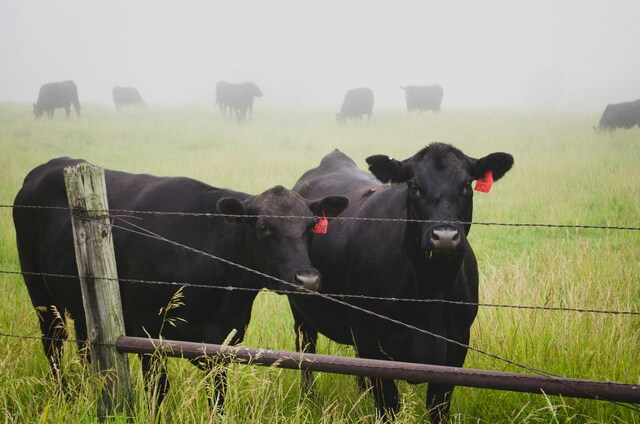
Over the last month and a half, Bovaer has been the word on consumers’ and cattle farmer’s lips and not in a good way.

Bovaer is a feed additive used to lower methane emissions produced by catlle by up to 50 per cent and is already approved in 68 countries including Australia.

In December last year, Coles announced that they would be adding Bovaer to the feed of their beef and dairy cows.

This quickly sparked controversy, misinformation and even panic among consumers and farmers alike.

According to a statement from DSM Firmenich, the owner of Bovaer, the additive has undergone over 150 test studies in over 20 countries, including Australia, since 2009.

“Bovaer suppresses methane production in the stomach of cows (which) is then broken down organically by the cow’s normal digestive and metabolic processes,” the company said.

“Provided it is used as recommended, Bovaer is fully metabolized by the cow and is not present in milk or meat, so there is no consumer exposure (and) does not enter into milk or meats.”

While Bovaer is deemed ‘safe’ and only requires a small dosage, the warning label for the product itself states that protective equipment such as impervious gloves, dust mask and safety glasses are to be worn when preparing the product.

Bovaer’s main chemical constituent, 3-nitrooxypropanol (3-NOP) is known to cause skin and eye irritation and can be harmful if inhaled.

That being said, there is still plenty of beef and dairy producers, and companies in Australia, like Norco, who have made it known they do not use the additive.

Chairman of Healthy Soils Mick Alexander said some consumers are turning away from supermarkets and buying their beef directly from the producer.

Mr Alexander has been producing organic beef and selling it to locals for the last seven years.

“(My philosophy is) if it’s not making any animal healthy, as in it’s not a nutritional product, then it’s making the animals unhealthy,“ Mr Alexander.

“None of these products should be going into our beef or any of our other meats for that matter.

“(Consumers are choosing to buy direct) because it’s hard to trust what supermarkets put out on their shelves… and people want to know their farmers, know where their food comes from.“
Digital Edition
Subscribe

Get an all ACCESS PASS to the News and your Digital Edition with an online subscription

Biarra Valley frontline sale

Each year Biarra Valley Simmentals looks closely at the direction of our program and make considered decisions about the females we offer. This draft...
More News

Empowering adaptive graziers

Burnett Mary Regional Group is well and truly delivering on supporting landholders in fostering sustainable agriculture practices. From extension support to providing valuable resources...

Lachlan’s powerful legacy

It was as much about hope as it was about inspiration. About building resiliency and health into mind, body and spirit as well as...

Emerging leader secures Liz Alexander AgTech and Innovation Bursary

AgTech consultant and ecosystem builder Britta Marsh has received a career boost after securing the Liz Alexander Bursary for Leadership in AgTech and Innovation. The...

Cutting embryonic losses

Australian Wagyu producers now have access to a world-first genetic test designed to improve fertility, calving rates and profitability, following the commercial release of...

From gap year to trailblazer

Britta Marsh never expected agriculture to become her career, let alone to be recognised as a leader within the field. Yet the Brisbane-based AgTech consultant...

Toowoomba Royal Show

The People First Bank Toowoomba Royal Show will be held from 26 to 28 March. Once again there is an exciting lineup of entertainment for...

Queensland Agrifutures Rural Women’s Award finalists

Alyson Shepherd Norma-May Honey is a values-driven business dedicated to ethical honey production, education and citizen science. The organisation produces pure, ethically-harvested honey products and...

From bush lunch to lifeline

In the vast, open spaces of North Queensland, Jaime Best is helping rural women find a simple and safe way to say, ’I’m not...

Paddock-bred performance

Denis and Therese Roberts of AAA Speckle Park have built their program around a simple but disciplined objective: breed structurally sound, commercially relevant cattle...

Rain revives confidence

Most central Queensland cotton growers are “growing on” their crops this season hoping to significantly lift yields after recent rain and improved water allocations. Emerald-based...