Get the latest news to your email inbox FREE!

REGISTER

Get the latest news to your email inbox FREE!

REGISTER
HomeNewsThe B Word divides opinion

The B Word divides opinion

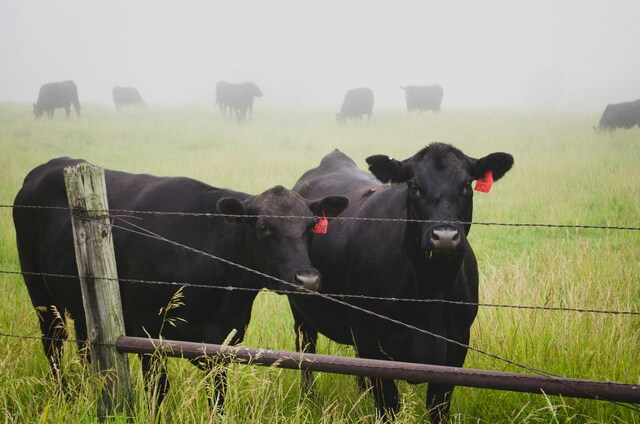
Over the last month and a half, Bovaer has been the word on consumers’ and cattle farmer’s lips and not in a good way.

Bovaer is a feed additive used to lower methane emissions produced by catlle by up to 50 per cent and is already approved in 68 countries including Australia.

In December last year, Coles announced that they would be adding Bovaer to the feed of their beef and dairy cows.

This quickly sparked controversy, misinformation and even panic among consumers and farmers alike.

According to a statement from DSM Firmenich, the owner of Bovaer, the additive has undergone over 150 test studies in over 20 countries, including Australia, since 2009.

“Bovaer suppresses methane production in the stomach of cows (which) is then broken down organically by the cow’s normal digestive and metabolic processes,” the company said.

“Provided it is used as recommended, Bovaer is fully metabolized by the cow and is not present in milk or meat, so there is no consumer exposure (and) does not enter into milk or meats.”

While Bovaer is deemed ‘safe’ and only requires a small dosage, the warning label for the product itself states that protective equipment such as impervious gloves, dust mask and safety glasses are to be worn when preparing the product.

Bovaer’s main chemical constituent, 3-nitrooxypropanol (3-NOP) is known to cause skin and eye irritation and can be harmful if inhaled.

That being said, there is still plenty of beef and dairy producers, and companies in Australia, like Norco, who have made it known they do not use the additive.

Chairman of Healthy Soils Mick Alexander said some consumers are turning away from supermarkets and buying their beef directly from the producer.

Mr Alexander has been producing organic beef and selling it to locals for the last seven years.

“(My philosophy is) if it’s not making any animal healthy, as in it’s not a nutritional product, then it’s making the animals unhealthy,“ Mr Alexander.

“None of these products should be going into our beef or any of our other meats for that matter.

“(Consumers are choosing to buy direct) because it’s hard to trust what supermarkets put out on their shelves… and people want to know their farmers, know where their food comes from.“
Digital Edition
Subscribe

Get an all ACCESS PASS to the News and your Digital Edition with an online subscription

Cotton trash to treasure: Project using waste to grow new mushroom...

Supermarket shelves could be stocked with mushrooms grown from the Northern Territory’s cotton waste, with a Charles Darwin University (CDU) research project exploring the...

A life with horses

More News

A life with horses

There is something about the Australian bush that gets into your blood. That has certainly been the case for Tom Thomsen. His story could easily be...

Pillar of the community

The Crows Nest Showgrounds hold a special place in the region’s history, reflecting the town’s early beginnings as a timber-hauling stop and its growth...

Backing for rural youth

Individuals supporting young people in remote, rural and regional Queensland are invited to apply for one-off grants of $50,000 to deliver new youth-focussed initiatives....

Prepare for the worst

So climate change is here and Mother Nature is showing us how much she can throw at our great island continent. Hundreds of...

No supermarket transparency for families in 2026: Littleproud

As families head to the supermarkets in 2026, they will probably realise that since Labor promised big action, to make prices fair, little has...

Course targets innovation

A new micro-credentialled cotton education program is set to strengthen skills and fast-track the uptake of innovation across the Australian cotton industry. The Cotton Research...

Growing millet crops

Millet crops sometimes get a bit forgotten when farmers make their summer planting decisions. So, I wanted to remind folks of how handy and...

EU Omnibus Changes: How CSRD and CSDDD Impact Supply Chain Due Diligence

Did you know European sustainability regulation has entered a new phase? A new set of updates known as the EU Omnibus has now been...

Durable and sustainable

Australian Concrete Posts (ACP) stands as the nation’s largest manufacturer of prestressed concrete posts, renowned for their exceptional durability and quality. With a purpose-built...

Cashing in on craze

Five and a half hectares of ponds stand between North Queensland aquaculture producer Nathan Cleasby and his goal of building the largest redclaw crayfish...