
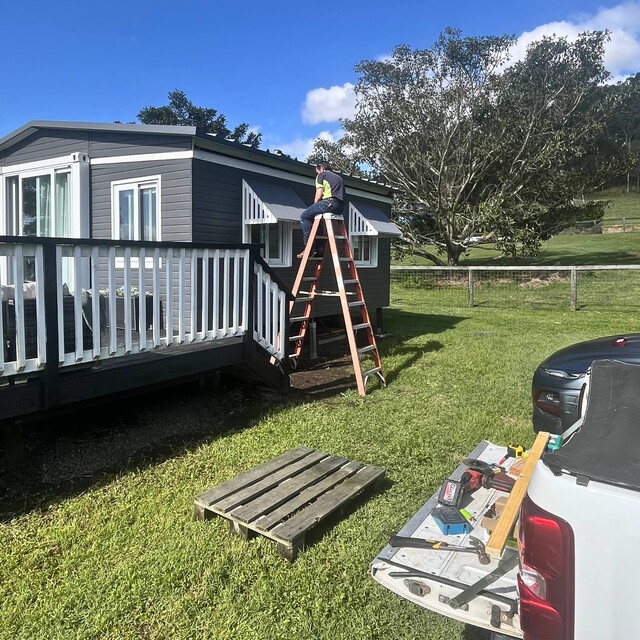
The tiny home movement is reshaping the way Australians think about housing, offering affordable and sustainable alternatives to traditional homes.
However, navigating the legal landscape for tiny homes can be a challenge.
From zoning restrictions to building codes, the rules governing where and how tiny homes can be placed vary widely across the country.
Despite these obstacles, legal loopholes and innovative approaches are opening doors for tiny home enthusiasts, particularly for expandable container homes that bridge the gap between flexibility and compliance.
The patchwork of Australian regulations
One of the biggest hurdles for tiny homeowners in Australia is the lack of uniform regulations.
While some local councils welcome tiny homes as a solution to housing shortages, others have strict zoning laws and building requirements that make them difficult to implement.
In many areas, expandable container homes are classified as caravans or temporary dwellings, which can make it easier to place them on a property without obtaining full building permits.
In rural South East Queensland, the approach to tiny homes varies between local government areas (LGAs).
Here are a few examples:
Scenic Rim Regional Council:
Known for its picturesque rural landscapes, the Scenic Rim is relatively open to innovative housing solutions, particularly for larger rural lots.
Secondary dwellings are permitted in most residential and rural zones, making expandable container homes an excellent option for additional accommodation or as a primary residence.
Somerset Regional Council:
Covering areas like Esk and Kilcoy, Somerset allows secondary dwellings on properties with adequate space.
Expandable homes are often classified as secondary dwellings, which makes it easier to secure approvals, especially on larger rural properties.
Lockyer Valley Regional Council:
As a hub for agriculture, this council recognizes the need for flexible housing solutions on farming properties.
Expandable container homes can be used as worker accommodations or guest residences, provided they comply with zoning and environmental guidelines.
Southern Downs Regional Council:
Covering areas such as Warwick and Stanthorpe, this council offers flexibility for secondary dwellings and is receptive to alternative housing models in rural zones. Tiny homes must meet specific health and safety standards, including septic or composting toilet systems for off-grid properties.
Western Downs Regional Council:
This council provides clear guidelines for tiny houses, particularly those on wheels. According to their fact sheet, a tiny house on wheels used solely for accommodation while traveling does not require approval if parked lawfully and not connected to services. However, if used as an addition to an existing dwelling or rented out, building and plumbing approvals are necessary, and planning approval may be required depending on zoning and overlays relevant to the property.
Maranoa Regional Council:
Covering areas like Roma, this council is open to alternative housing solutions, especially in rural zones.
Barcaldine Regional Council:
In this region, tiny homes are considered on a case-by-case basis.
For non-permanent accommodation such as expandable container homes, a permit may be granted.
Longreach Regional Council:
In this iconic outback region, secondary dwellings are permitted on rural and residential properties.
Tiny homes can serve as affordable housing for seasonal workers, and farmhands, or as guest accommodations.
Compliance with council regulations, including water and septic systems, is essential.
Murweh Shire Council:
Serving Charleville and surrounding towns, this council encourages the use of secondary dwellings on rural properties, especially for agricultural purposes.
Tiny homes used as worker accommodation or for family members are often seen as a practical housing solution.
Isaac Regional Council:
Covering a mix of mining and rural areas, Isaac supports the placement of tiny homes as secondary dwellings or worker accommodations.
Compliance with zoning and utility requirements is necessary, particularly in mining towns like Clermont.
We always suggest you contact your local council for tiny house requirements.
Opportunities in rural and semi-rural areas
While urban areas often have the most stringent regulations, rural and semi-rural regions in Australia are emerging as hotspots for tiny home adoption.
These areas tend to have more flexible zoning laws, allowing homeowners to place expandable container homes on large properties without extensive red tape.
For example, the Lockyer Valley Regional Council and Gympie Regional Council are more open to alternative housing solutions for agricultural or large rural properties.
This makes them ideal locations for placing expandable homes as guest accommodations, rental units, or primary residences.
For rural Australians, these homes offer an affordable way to expand their property with additional living spaces, guest accommodations, or worker’s accommodations.
With starting costs as low as $45,000 (exc footings and assembly), expandable container homes provide a cost-effective solution for those looking to maximize their land’s potential.
The rise of ADUs
Accessory Dwelling Units (ADUs), such as granny flats or backyard cabins, are becoming a popular legal avenue for tiny homes.
Many councils across Queensland, including those in Gold Coast City and Toowoomba Regional Council, now allow ADUs under updated planning schemes aimed at increasing housing availability.
Expandable container homes fit seamlessly into this category, offering a versatile option for families looking to house aging relatives, house workers, or add a home office.