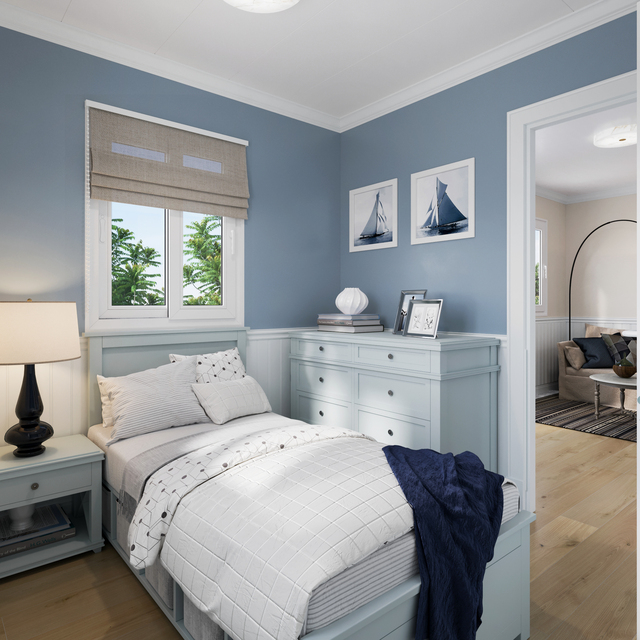
For farmers, securing affordable, flexible and convenient housing is an increasing necessity.
Whether you’re looking to house family members, provide accommodation for workers or even add a cost-effective home office, tiny houses can be an appealing solution.
But, with the market full of options, it’s crucial to know what you’re getting into and how to make an informed choice.
Here’s a no-nonsense guide to help you navigate the tiny house market and avoid common pitfalls.
1. Understanding Tiny Houses
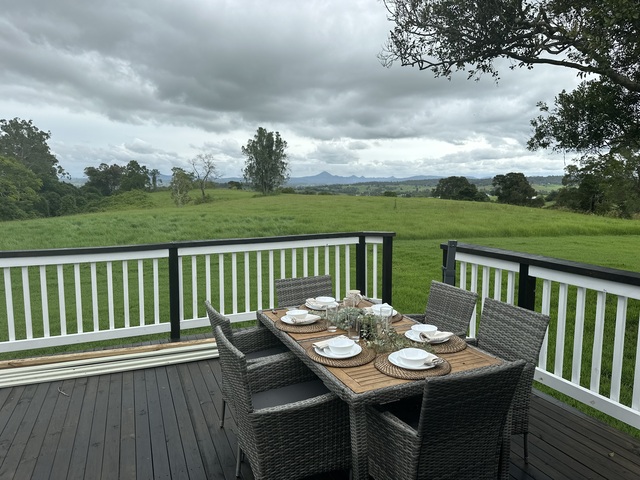
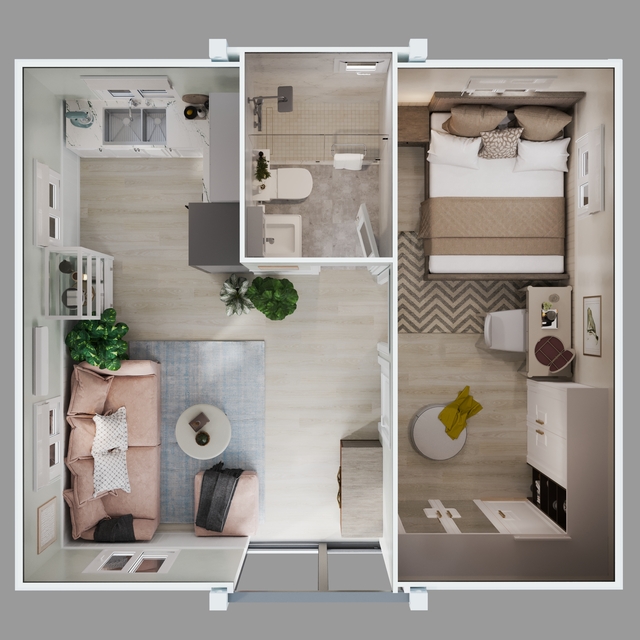
Tiny houses are small, transportable homes designed to provide essential living space at a fraction of the cost and time associated with traditional builds. They’re especially attractive for rural and remote properties where conventional housing can be financially impractical or logistically challenging. These homes are typically under 50 square meters and are built off-site, then
delivered and installed on your property. While they’re not considered permanent structures by most councils, they’re versatile enough to serve as family accommodation, worker housing or a farm office.
2. The Advantages of Tiny Houses for Farmers
* Cost-Effective: Tiny houses can be up to 80 per cent cheaper than building a traditional home, which makes them ideal for farm budgets.
* Quick Turnaround: Unlike traditional builds that can take a year or more, reputable companies can deliver a tiny home in about 12 weeks.
* Flexibility: Tiny houses are relocatable, so they’re perfect if your needs change or you move location.
* Low Maintenance: Tiny homes are typically easy to maintain. Most require simple cleaning and a power wash now and then.
3. Common Pitfalls in the Tiny House Market
* Beware of Importers Without Experience: Many sellers in the tiny house industry are merely drop-shipping imported products, usually from overseas. These companies often lack construction or trade experience and will ship a product without the essential structural integrity or suitability for Australian conditions. Look for companies that manufacture locally and understand Australian building standards, climate and terrain requirements.
* DIY Installation Claims: Some companies will promise DIY installation, which can be misleading. Tiny homes, even the relocatable kind, often require skilled installation, especially if you’re working with plumbing and electrical systems.
* Limited Warranty and Support: If you buy from a third-party seller or importer, getting support and repairs can be challenging. Go for companies that provide long-term customer support, so you know help is available when you need it.
4. Navigating Council Regulations
* Check Local Rules: Every council has different rules regarding tiny houses, especially in rural or agricultural zones. Some councils are more lenient with relocatable homes, while others may have strict requirements for safety, habitability and aesthetic compatibility with the surroundings.
* The Class 1a versus Relocatable Home Distinction: Tiny houses are generally not Class 1a builder-built homes, which is the standard for permanent residences in Australia. Because of this, they may not meet all requirements for a primary dwelling. Some councils prefer a primary residence to be Class 1a, so it’s essential to know the legal limitations before buying.
* Approval Pathways: Due to engineering challenges, getting council approval can be tough with poorly built relocatables. However, some manufacturers engineer their homes to meet council standards and offer a clear pathway to approval. This level of effort can make all the difference in avoiding future issues.
5. Key Features to Look for in a Tiny House
* Structural Integrity: Ensure that the tiny house is designed to withstand local weather conditions.
* Local Manufacturing: Homes made locally are better suited to Australian conditions and often meet higher standards for materials and safety.
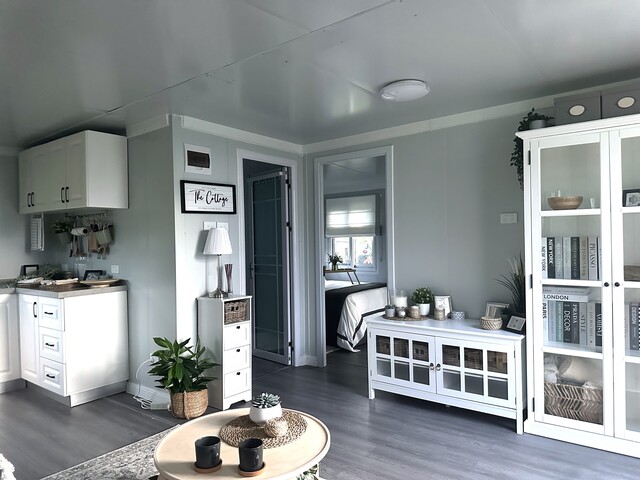
* Complete Fit-Out: Look for homes that come fully fitted with plumbing, wiring and insulation to Australian Standards. This ensures that you’re getting a home ready to live in.
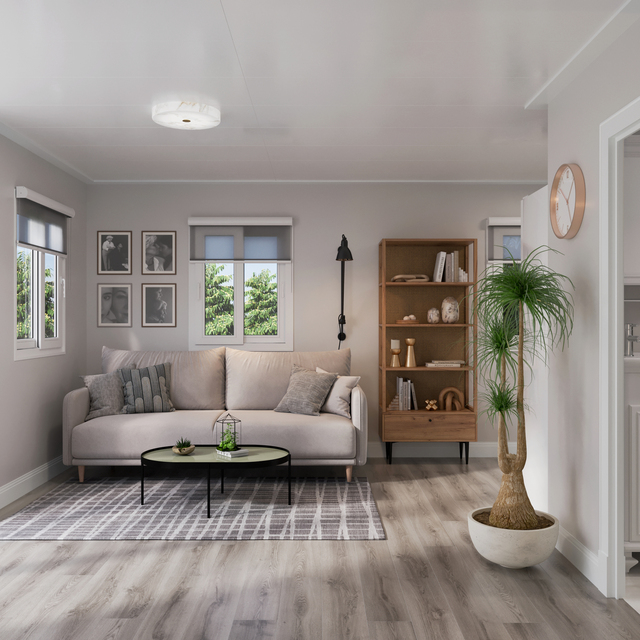
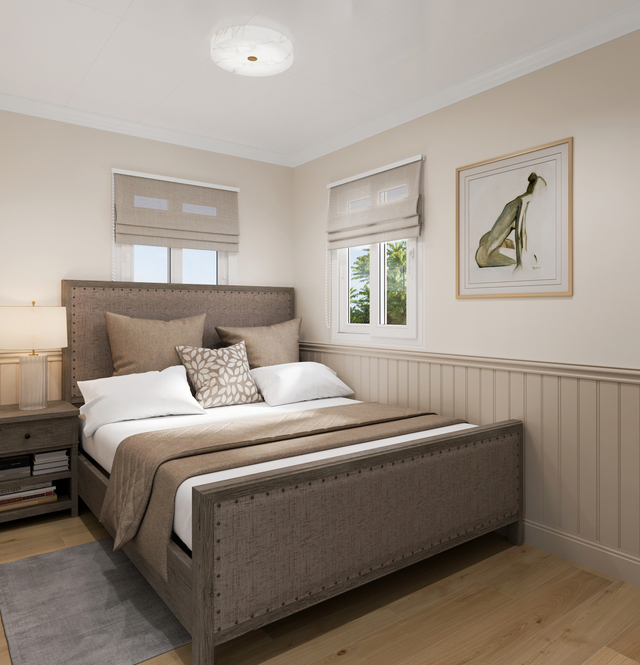
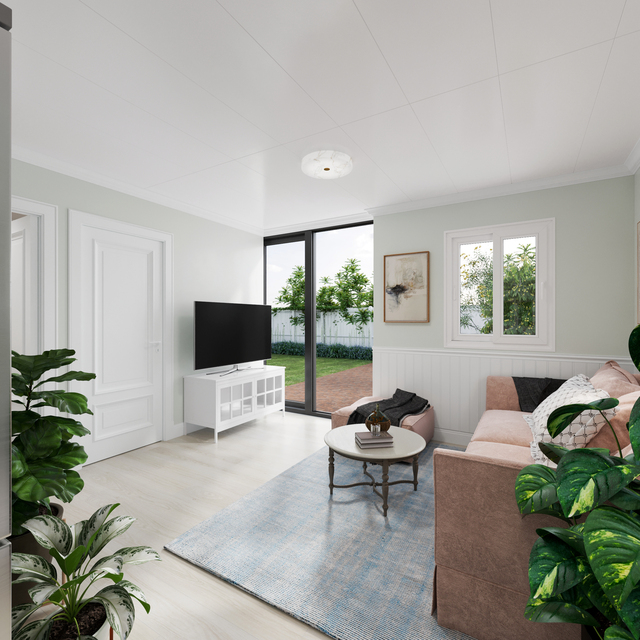
* Aesthetic Appeal: Many councils worry about tiny houses looking like makeshift shelters. Choose a home that’s well-designed and aesthetically pleasing to blend in with the environment. Features such as thermal cladding, farmhouse doors and window hoods add value and make the home feel more permanent and welcoming.
7. Questions to Ask Before Buying a Tiny House
* Who manufactures this tiny house and where is it built?
* What support and warranties are available after purchase?
* Is this tiny home equipped to handle Australian conditions (for example: wind rating, temperature control?)
* Will you install the tiny house or is installation left to the buyer?
* What is the process for council approval and who will assist you with it?
In Summary
Tiny houses can be a brilliant solution for farmers needing quick, flexible and affordable housing. However, there are plenty of “cowboy” sellers out there, so it’s essential to do your research and choose a company that truly understands the
needs of rural Australia. Reputable tiny house companies will provide a complete, compliant and durable product designed for long-term use and satisfaction.
Tiny homes are much more than temporary housing — they’re a pathway to sustainable and affordable living, bringing independence and ease to Australian farmers and families.
Ensure you choose a partner who values your investment as much as you do.