The Australian Beef Sustainability Framework (ABSF) has appointed three new members to its Sustainability Steering Group (SSG), adding extensive experience in the implementation of sustainable practices.
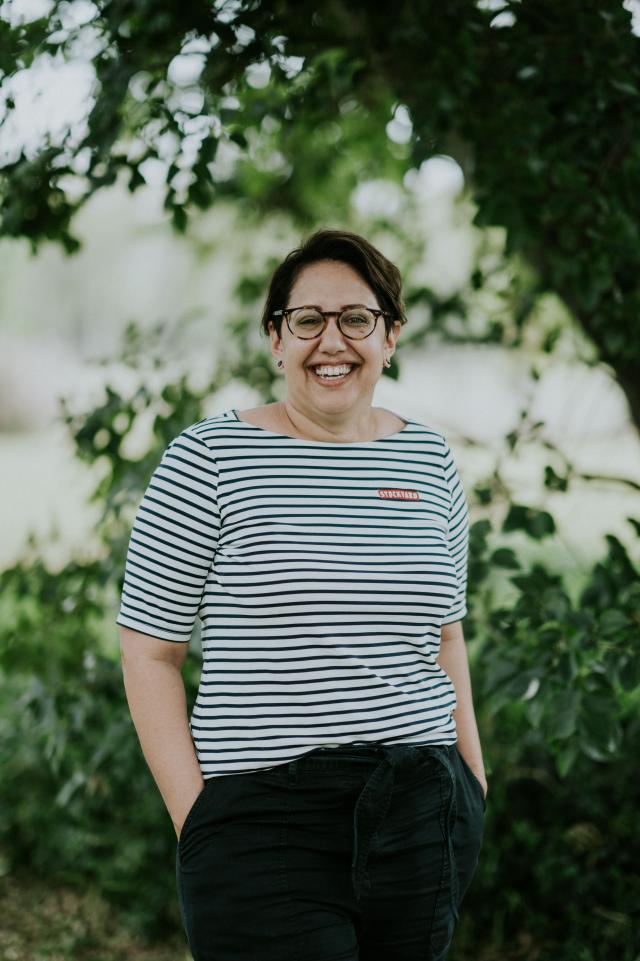
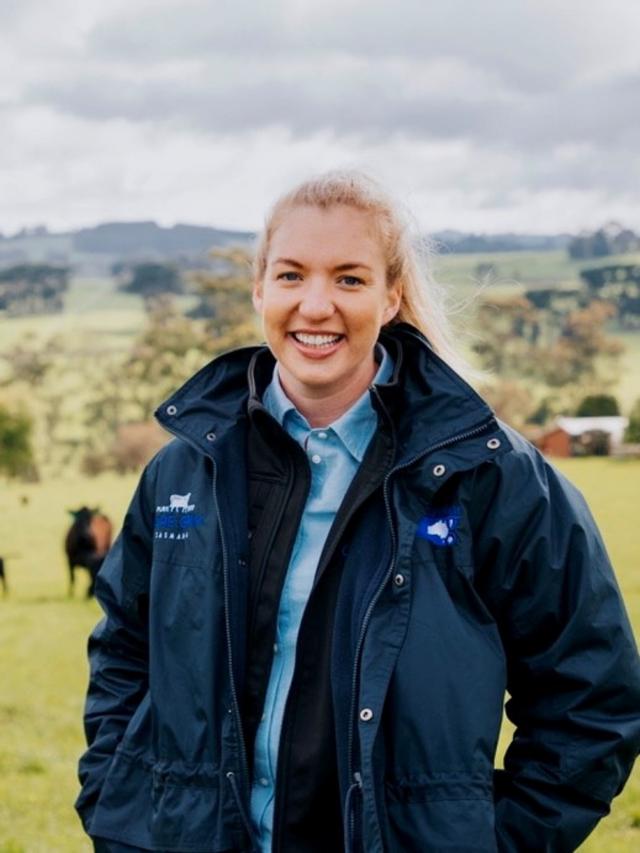
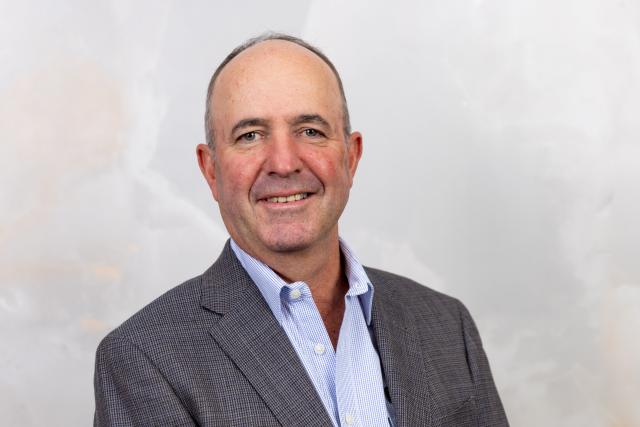
Joining the SSG are Stockyard Beef marketing and community engagement manager Amy Brooks, Greenham Livestock supply chain manager Jess Loughland and Hewitt Foods livestock director Peter Gall.
ABSF SSG chair Mark Davie welcomed the trio and said their extensive networks and industry knowledge would ensure the development of the framework would continue and stakeholder consultation would be paramount.
“We are really fortunate to have Amy, Jess and Peter on the steering group as we drive the ABSF forward,” Mr Davie said.
“They each bring such a valuable and complementary set of skills in sustainable beef production.
“From Peter’s wisdom gained from a long and trailblazing career, to Jess’s insights from a broad engagement with producers and Amy’s extensive work across the corporate and government sector.”
Amy Brooks
In addition to her role at Stockyard Beef, Amy Brooks is also a member of Telstra’s Regional Advisory Council and a non-executive director of the Woorabinda Pastoral Company.
An agricultural enterprise wholly owned by the Woorabinda Aboriginal Shire Council, the company manages 5000 head of beef cattle and 5660 hectares of dryland crops in central Queensland.
Both connections have led to Stockyard Beef liaising for the past eight months with the Woorabinda Pastoral Company, to implement an innovative knowledge program and cultural exchange and work collaboratively in relationship building, sharing of culture, training and knowledge of best industry practices.
Ms Brooks is a passionate member of the global group Meat Business Women, which brings together women from across the supply chain including processors, wholesalers, retailers and smallgoods manufacturers to connect and provide pathways to future proof the industry.
She is enthusiastic about working with the SSG to achieve the framework’s goals of a resilient and prosperous community and a safe, healthy and diverse workplace that fosters an environment of capacity building and inclusivity.
“I’ve worked for Stockyard for 15 years and it’s easy because the company is passionate about sustainability and their people,” Ms Brooks said.
“As well as passion, diligence and empowered leadership – striving to be agents of positive change – our fourth value is respect and integrity, for our people, our animals, our customers and our community.
“Change and transformation just don’t happen without people so I’m looking forward to bringing my expertise.”
Respectful relationships were established early between Amy’s mother’s family, traditional owners the Wulli Wulli people of Eidsvold in central Queensland and the Joyce family of Eidsvold Station, proponents of the highly successful Santa Gertrudis breed.
“Barney Joyce and my grandfather formed a long-standing friendship that lasted until he passed away,” she said.
“My grandmother also worked in the kitchen for Barney and his family and cooked for visitors, including King Charles and numerous members of my family were raised at Eidsvold Station over 50 years.
“I think the history of my family and the Joyces embracing inclusiveness shows the potential the beef industry has for being the best stewards of conservation and the environment and shared heritage.”
Ms Brooks is a member of the Working Group developing and implementing OBE Organic’s Reconciliation Action Plan (RAP), one of only half a dozen implemented so far by agribusinesses.
RAPs are practical action plans for organisations to create social change and economic opportunities for Aboriginal and Torres Strait Islander peoples through relationships, respect and opportunities.
A key challenge for the Framework, she says, is in the communication and understanding that thriving communities and financial stability are a major aspect of sustainability, alongside the pillars of environment and animal wellbeing.
“People often hear the word sustainability and think of regulation and cost, as road blocks that are stopping them, but sustainable projects make good business sense.”
Jess Loughland
As Livestock Supply Chain manager for the branded beef business, Greenham, Jess Loughland is well aware that committing to animal welfare, environmental stewardship and sustainability standards demands a proactive and co-ordinated effort across the value-chain.
Jess has a big job ensuring abouut 4200 suppliers across four states understand and adhere to Greenham’s NEVER EVER accreditation program, which is in the process of introducing the Greenham Beef Sustainability Standard (GBSS).
It’s the first time a commercial supply chain has applied the themes of the ABSF at a farm level to deliver a new product to market.
“Change is led by the consumer and Greenham wants to produce high-quality beef that connects consumers to their desire to live sustainably,” Ms Loughland said.
“The GBSS standard was ABSF-inspired. We wanted it to be about more than environmental benefits alone because we saw productivity, profitability and training as the final pieces of the puzzle.”
As an agricultural science student at Charles Sturt University (CSU) at Wagga Wagga, Ms Loughland said she was guided by passionate professors in gaining experience in international dairy production and meat science.
In 2010 she won the Intercollegiate Meat Judging’s individual trophy and the following year travelled with the Australian team to compete in the US.
Early in her career, Jess spent eight years in various roles for Teys Australia, including livestock strategic operations, covering producer engagement, grassfed programs and on-farm initiatives, followed by a brief stint with MSA before joining Greenham.
Jess is a member of IFAMA, the International Food and Agribusiness Management Association.
“I see a real opportunity for the ABSF in translating great conversations with customers and consumers into clear actions for farmers, helping to inform meaningful data capture on the ground, but also in guiding industry solutions, resources and training tools,” she said.
Greenham started supplying GBSS-certified product to US customers in March and the standard will be incrementally rolled out to the company’s broader supply chain over the next two to three years.
“It’s no small feat to achieve when we’re working with more than 4000 accredited suppliers, but there’s so much power when working together,” she said.
“We want consumers to have a lot of confidence in Australian beef and, if we pool our resources, we can achieve so much more.”
Peter Gall
Peter Gall has clear memories of handing out fliers in his home town of Blackall in western Queensland in the 1990s, in an attempt to encourage producers to supply organic beef to southern processors.
Following the crash of the reserve price scheme for wool, Mr Gall had convinced his somewhat sceptical father to have their family sheep property certified organic and start producing beef.
Soon after, he and a mate began bringing four head of cattle down in a trailer 840km to Pittsworth abattoir.
They met a buyer from Coles, who saw the organic beef carcases and asked how many could be supplied.
“Five a month,” Mr Gall said, to which the buyer replied, “You’re going to need way more than that.”
It was the first indication he was on the right track. Ten years later, in 2004, he and Alister Ferguson teamed up with Sanger Australia – run by Richard Raines – to launch The Organic Meat Company.
Their vision was an end-to-end organic supply chain that was as close as possible to the end consumer.
The Organic Meat Company eventually joined forces with Cleaver’s, another organic meat company, and was renamed Arcadian.
“The lesson from that was ‘Don’t sit and wait for things, just do something, start something and you never know what’ll happen’,” he said.
As livestock director for the multi-million dollar Hewitt Foods, which has a majority shareholding in Arcadian, Mr Gall is a dedicated supporter of the company’s mission to be the world’s most sustainable meat producer.
He said the industry was changing quickly but there was still more work to be done in the private sector.
“The biggest challenge I see is the public perception that the beef industry is the culprit for greenhouse gas emissions,” he said.
“We need to make practical changes to reduce emissions, but will customers share the burden? Are they going to pay for it?
“I see people making all sorts of claims that they can’t prove but that’s going to change with the data being gathered and the work being done by the Framework.
“Those claims won’t stand up if the critics don’t have proof.”