
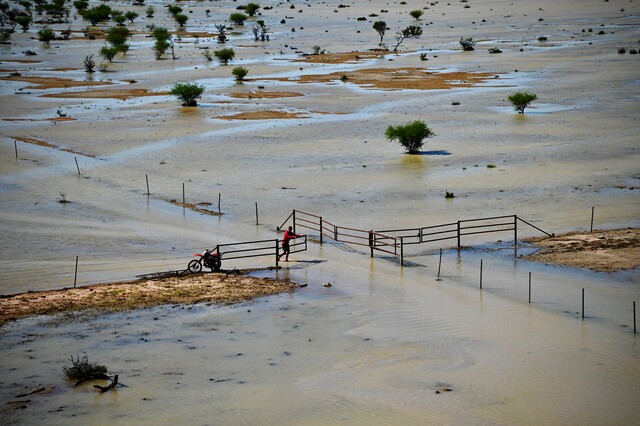
Fencing after floods and fires is one of the most urgent and challenging tasks facing landholders in the aftermath of a natural disaster.
For many primary producers, secure fencing is critical to containing livestock, protecting pastures and restoring day-to-day operations as quickly as possible. The process generally begins with immediate temporary solutions, followed by a detailed assessment of damage and, ultimately, a staged rebuild designed to be stronger and more resilient than before.
In the immediate aftermath of floods or fires, safety and stock control are the top priorities.
Landholders are advised to thoroughly document all damage by taking clear photographs and videos of destroyed or damaged fences, gates and infrastructure. This documentation is essential for insurance claims and for applications under government assistance and disaster recovery grants, which are often made available in officially declared disaster areas.
Temporary fencing solutions can then be put in place to secure livestock and prevent further losses. Mesh panels, electric fencing or hired crowd control fencing are commonly used as short-term measures, allowing producers to regain control of stock movements while permanent repairs are planned. These temporary systems provide flexibility and can be relocated as clean-up progresses.
Clean-up and damage assessment is the next critical stage. Salvageable materials should be sorted early, with steel, treated timber and untreated timber separated to make recycling or disposal more efficient. This not only reduces waste but can also lower rebuilding costs. During this phase, landholders must remain alert to hazards such as debris, fallen trees and unstable ground, particularly along creeks and floodways where erosion may have undermined fence lines and posts.
Once the full extent of the damage is understood, producers can begin planning longer-term rebuilding. Many choose to upgrade to more resilient fencing designs that are better suited to withstand future floods, fires and pest pressure. This may include using steel or concrete posts in flood-prone areas, raising fence heights, improving gate placements, or redesigning fence layouts and laneways to allow safer stock movement during extreme events. Fire-resistant and pest-proof fencing options are also increasingly being considered as part of rebuild strategies.
Government grants and recovery programs play a significant role in supporting this work, helping eligible primary producers offset the high cost of materials and labour. In addition, volunteer organisations such as BlazeAid continue to provide invaluable on-ground assistance, supplying skilled labour to help rebuild fences and restore properties, often at a time when landholders are physically and financially stretched.
While fencing after floods and fires is a demanding and time-consuming process, careful planning, the use of temporary solutions, and a focus on building stronger, more resilient infrastructure can help producers not only recover but better prepare for future disasters.