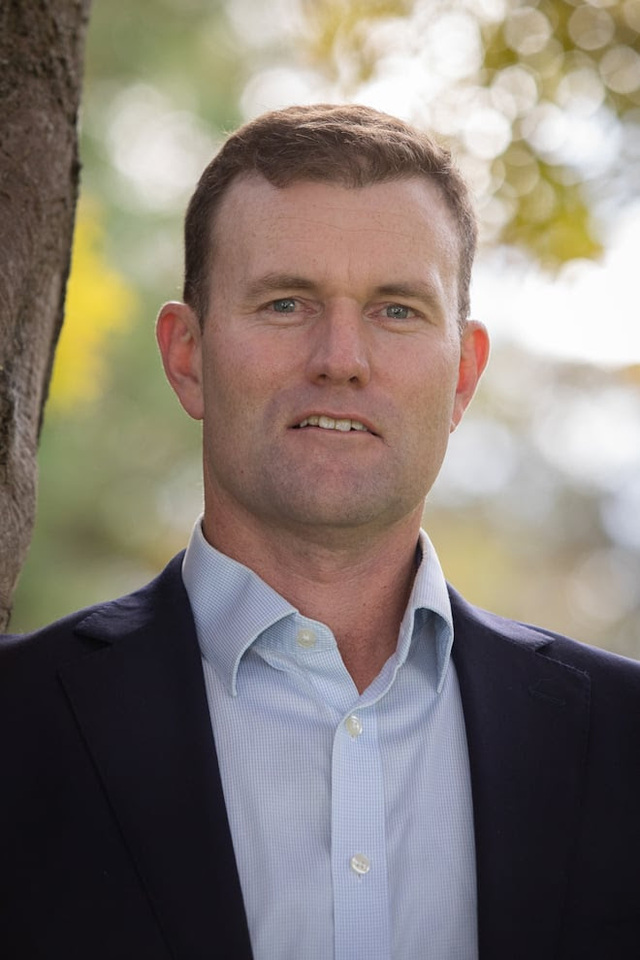
I started as Meat and Livestock Australia’s (MLA) managing director at the end of May. This role is an honour and opportunity as it presents the chance to lead an organisation that is a major driving force behind our industry’s marketing, research and innovation.
It’s also an opportunity for me to return to MLA in a new capacity after previously having been the CEO at Herefords Australia.
Prior to that, I worked with MLA in roles including regional manager for Europe and Russia, manager of Meat Standards Australia (MSA) and general manager for Research, Development and Adoption.
There is plenty to be enthusiastic about for Australia’s beef cattle, sheep and goat sectors, with significant opportunities globally and domestically.
For example, Australia is the largest exporter of lamb. We also know 92 per cent of Australian households purchased beef over the past year, with 67pc purchasing it every month.
We know that Australian red meat is highly regarded and sought-after by consumers in Australia and around the world, with our industry underpinned by Australia being our largest beef and lamb market and our increasing opportunities to grow market share in international markets. We have strong Free Trade Agreements in most major markets and the MLA international team continues excellent work capitalising on these opportunities.
There are headwinds around rising costs, inflation, seasonal variability and various trade and market access issues – but the overall outlook is bright.
MLA has an opportunity to work with all of industry to accelerate growth and opportunities. A key component of this approach will be the development of a new five-year Strategic Plan that will run to 2030 and will align directly with the Meat Industry Strategic Plan, Red Meat 2030.
MLA will soon begin consultation on how the next five-year MLA Strategic Plan can align with the goals of Red Meat 2030, as well as identify and address priorities for the industry. This consultation will span several months, engaging producers, peak industry councils, the supply chain, government, research partners, fellow RDCs and other key stakeholders.
Looking forward to that process, we can already see some of the successes that can be built upon. Programs like Meat Standards Australia (MSA) continue to deliver outcomes for the producers involved, enhancing our reputation and generating significant value. It is estimated that this program generated an additional $259 million in farm gate returns to beef producers in 2022/23.
Our investment in genetics also allows our industry to continue to raise the bar, improving productivity, profitability and sustainability. This has been matched by producer enthusiasm, with a record number of 420,000 animals submitted to both the MERINOSELECT and LAMPLAN evaluations in 2023.
Driving on-farm profitability and productivity is crucial in our day-to-day work at MLA and technology plays a key role in that. Research and technology allow for innovation, but for that innovation to be impactful, it needs to make its way into practical outcomes in the paddock.
This is why MLA’s investments in adoption are crucial as they help bridge the connection between R&D and what is happening on farm. To cite some examples, Manabotix bunk scanning is now being used in seven feedlots with a combined capacity of 250,000 head, while the new Transport Hub has brought together a wealth of information for the entire supply chain about safely and humanely transporting our animals.
Most importantly, we understand that for adoption to occur, producers need to be presented with a clear value proposition.
Sustainability continues to be a fundamental priority for the red meat industry.
Sustainability needs to be delivered in terms of productivity, profitability and positive environmental and social outcomes. It must be practical and it must drive real and tangible value for producers. A major aspirational target for the industry is being carbon neutral by 2030 (CN30). The red meat industry, through significant investment, has made considerable progress towards this ambitious target.
Sustainability is bigger than just emissions and carbon. It covers almost everything we do in our businesses and this is why industry’s ongoing commitment to the Sheep Sustainability Framework and Australian Beef Sustainability Framework is so important. These frameworks are industry led and customer focussed, helping to clearly articulate industry’s significant achievements in sustainability and plot a path for the future.
For the MLA strategic plan to be successful, we must deliver value for each participant in the supply chain. We will have a focus on creating and delivering value as a result of the investments we make on behalf of industry. Working collaboratively, transparently and in regular communication we will be able to deliver great outcomes for our levy payers.
As well as the upcoming conversations with industry on the strategic plan development, I’m also looking forward to catching up with stakeholders at some significant events coming up this year.
These include LambEx in Adelaide in August, MLA Updates in Perth in October and the Annual General Meeting in November.
I encourage producers to get along to these events, learn more about MLA and to have a chat with me.