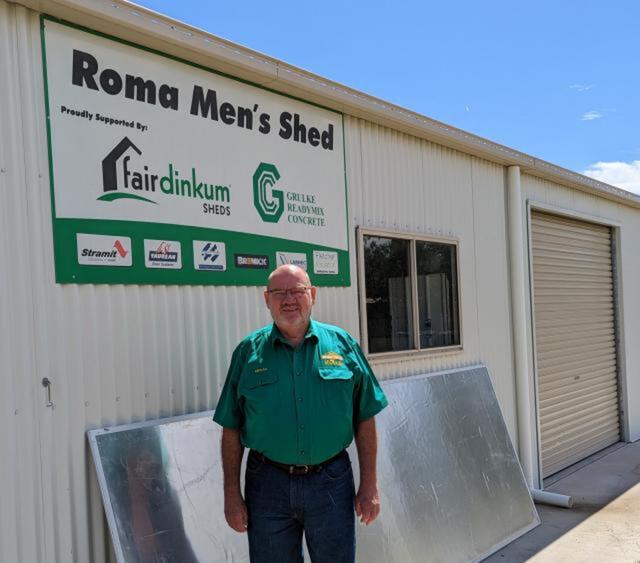
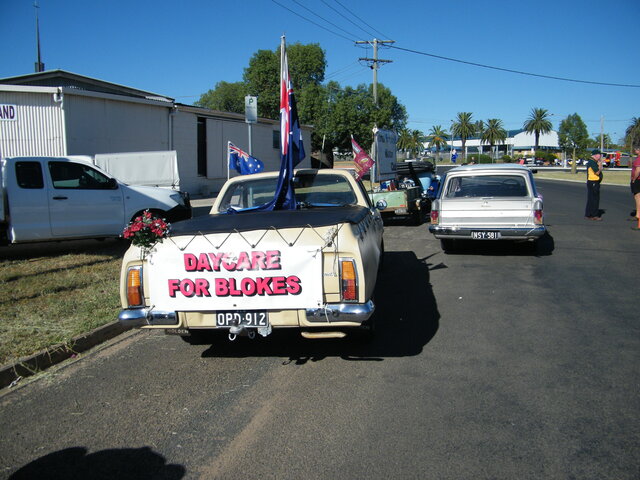
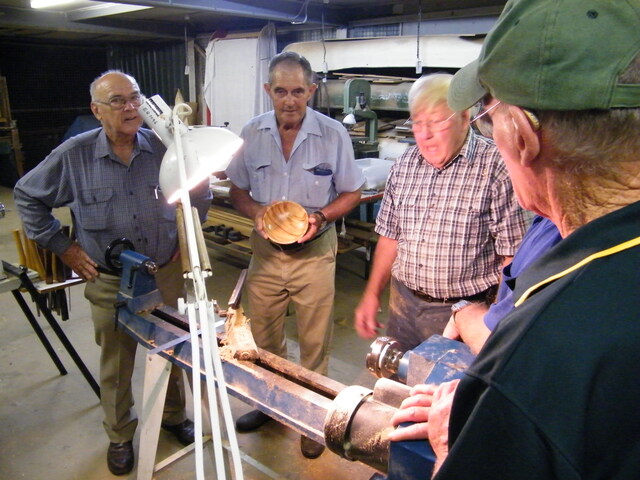
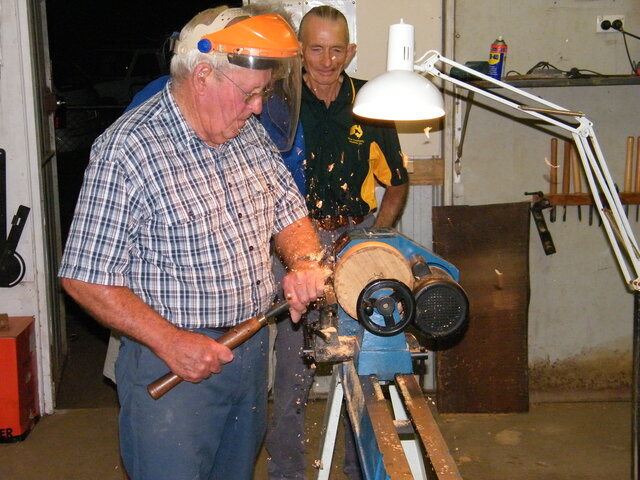
For 20 years, Michael Reddan has watched a simple idea grow into one of Roma’s most valued community spaces.
A place where conversation happens shoulder to shoulder, friendships are forged over cups of tea and men – who might otherwise struggle in silence – find connection, purpose and pride.
Mr Reddan has been involved with the Roma Community Men’s Shed since its beginnings in 2007, long before there was a building, a workshop or even a permanent meeting place.
At the time he was working for Queensland Health in Roma when he first heard about the growing Men’s Shed movement spreading across Australia.
“I had read about the Men’s Sheds and then I saw an article in the newspaper where people from Men’s Sheds Australia were travelling to Emerald,” he recalled. “I thought, ’You know, this is something we need to get going here’.”
With little more than enthusiasm and a phone number, Mr Reddan reached out and invited representatives to detour through Roma for a community meeting.
They agreed.
He met them at the airport, organised the gathering and helped form the first committee. From that moment, the Roma Community Men’s Shed was underway.
“It took us three years to actually get a shed going,” he said. “The advice we got though was, even though you don’t have a shed, meet regularly.”
Those early meetings, often with only eight to 10 men, laid the foundation for what would follow.
In 2010 the group finally opened in a modest double-bay shed behind Anglicare. After three months they relocated to the Roma Scout building and today they operate from their own dedicated facility beside the railway station, a visible and well-used hub of activity.
What happens inside the shed varies from day to day and member to member. While many sheds across Australia focus on metal or woodwork, Mr Reddan is quick to clarify that no two are the same.
“All sheds are different,” he said. “It depends on the members of the shed what they want to do. Some of them have musical instruments. Some of them have choirs.”
The diversity is part of a national movement that now spans more than 1000 sheds and more than 100,000 members, making it one of the largest community networks in the country.
Yet, despite the scale, the essence remains deeply personal, a place designed primarily for men to gather in a way that feels natural and comfortable.
“Women will get together and talk about their problems face to face,” Mr Reddan said. “Whereas men don’t do that. Men talk shoulder to shoulder.”
He has, however, witnessed powerful moments where the environment has allowed men to open up in ways they never expected.
“I have seen some fantastic things in the shed where men have felt that it’s safe that they’ve opened up and talked about things in front of all their fellow members. It’s really surprised me.”
The Roma shed opens three mornings a week, providing tools, resources and a welcoming space for projects, both large and small. Community members often bring in furniture needing repair — tables, cupboards or chairs — and the shedders happily refurbish them for minimal cost.
They are careful not to compete with local tradespeople, instead focusing on jobs others might decline.
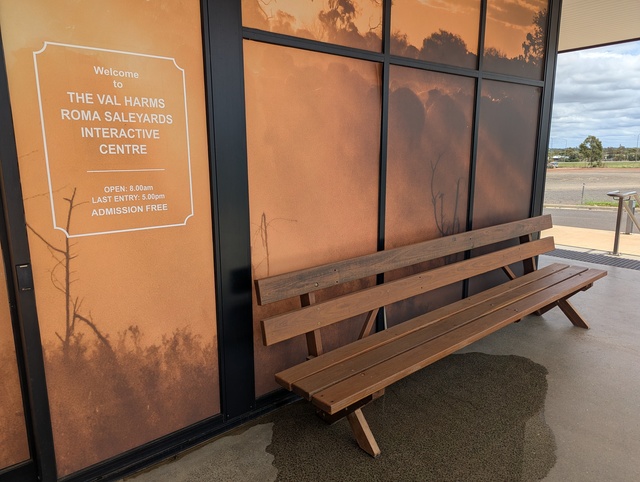
Among the most cherished projects are the park benches now sitting proudly at Roma’s saleyards. When council upgraded the bull ring and offered the shed the salvaged hardwood timber, members transformed it into beautifully crafted seating.
“That story is good for the shed and good for the community,” Mr Reddan said. “It’s amazing, just tying in the men’s skills, keeping them active and achieving.”
Membership is intentionally affordable — $60 a year plus a small contribution each visit to cover tea and coffee — ensuring the shed remains accessible. There is also an associate membership for those who simply want to drop in for conversation and companionship.
While the average age of members is high, attracting younger men is a priority.
The committee is currently exploring new technologies such as laser cutting and 3D printing and even opening weekends to suit different schedules. Younger members can join with a mentor, reinforcing the shed’s intergenerational spirit.
Beyond craftsmanship, the shed is increasingly focused on wellbeing. A new partnership with the Southwest Hospital and Health Service will see nurses visit monthly to provide basic health checks.
However, perhaps the most telling sign of the shed’s impact is the quiet way members look after one another. If someone hasn’t been seen for a while, another member will often check in. The camaraderie is genuine and deeply valued.
For Mr Reddan, the rewards have been both personal and collective.
“Lots of friendship and connections,” he said when asked what the shed has brought him. “And pride. I’m proud of what we’ve built.”
Mr Reddan still attends regularly, not as a founder overseeing operations, but as one of the men enjoying the space he helped create.
Sharing stories, lending a hand and continuing to nurture a community that began with a single phone call and a simple belief that Roma needed a place for men to belong.