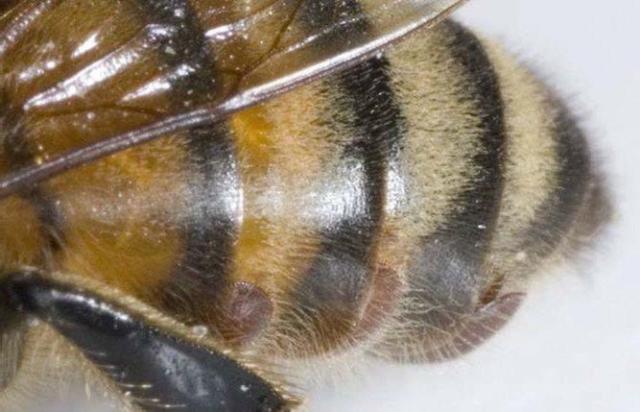
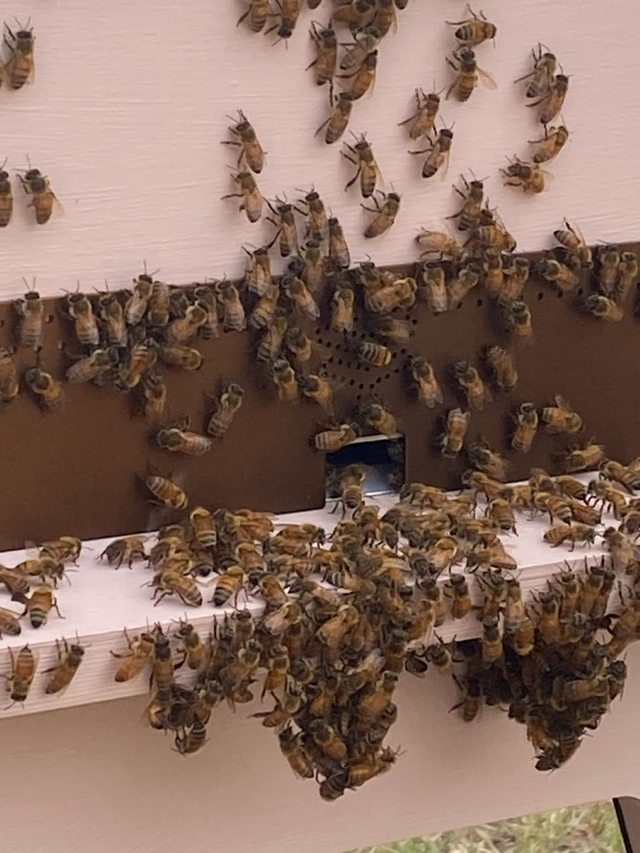
The questions and concerns surrounding the destructive, hive-destroying Varroa Mite has become very real for Queensland beekeepers and Darling Downs beekeepers have become the first in line to bear the brunt of the mite, with Varroa Mite detected just over the border in Boggabilla.
Varroa Mite has wreaked havoc for apiarists across Victoria and New South Wales, slowly making its way north and after the mite was detected in three hives located just three kilometres south of Goondiwindi on 23 January, Queenslander apiarists fear they are next.
The Queensland Department of Primary Industries held a Varroa Mite information session in Goondiwindi on Wednesday, 19 February, educating local beekeepers on signs of a Varroa Mite contamination in their hives, on detecting the presence of Varroa Mite using alcohol washes and what to do if they find mites in their hive.
Goondiwindi beekeeper Terry Fairbanks loves his bees and is very concerned about Varroa Mite being found just over the border in Boggabilla, where people regularly go back and forth between Goondiwindi and the small border community.
“Even after all this time we still don’t know much about Varroa Mite. We know they have been found just three kilometres away in Boggabilla and that is very concerning,” Mr Fairbanks said.
“We’ve already been working with the Department of Primary Industries for a few months in preparation for Varroa Mite entering Queensland and they have provided up with sticky pads and the equipment to do alcohol washes to detect the presence of Varroa Mite.
“We have been testing out hives regularly for the last couple of months and we haven’t, as of yet, found any mites, but we are prepared for if and when that happens.”
Mr Fairbanks is urging everyone who has bees, even if it’s just one hive as hobby, to get educated on Varroa Mite and help stop the spread when it does reach Goondiwindi.
“We really need to get the message out about Varroa Mite. Even if you think you only have one hive in the backyard and it won’t impact me, please start checking because the mites will wipe your hive out and will then continue to spread to contaminate other people’s hives and these people might have more than one hive.”
One Varroa Mite lays 700 eggs and these Varroa Mites lay 700 eggs within a fortnight and an entire hive of over 50,000 bees will be wiped out in 66 days if no action is taken.
The Department of Primary Industries was in Goondiwindi recently, and a biosecurity spokesperson is urging any beekeepers to get up-to-date on the most recent Varroa Mite research and start monitoring for the presence of Varroa Mite in their hives.
“We detected the presence of Varroa Mite in Boggabilla in January and it is only a matter of time before Queensland sees its first detection, and we have been working with the bee industry to ensure we are well prepared,” the Biosecurity Queensland spokesperson said.
“We have trained almost 1,000 beekeepers across 12 workshops since last September, our network of varroa development officers and training workshops will continue to support our beekeepers with ways to conduct surveillance, monitoring and management of varroa mite in hives.”
Biosecurity Queensland and local beekeepers like Terry Fairbanks are hopeful that with the more information available about Varroa Mite and knowledge from infestations in Victoria and New South, beekeepers and the Biosecurity Queensland officers will be able to work together to mitigate the risk of Varroa Mite.
“We hope the DPI will help up identify what we are looking for and help us mitigate the impact. We hope because we know more than when they first infected NSW, we can mitigate the problem,” Mr Fairbanks said.
Biosecurity Queensland is urging anyone with a hive to undertake the following actions:
– monitor hives for Varroa Mite using alcohol washes and watching for signs including deformed bees and brood deaths
– report hive checks whether Varroa Mite was detected or not
– come clean and go clean, especially between apiaries
– follow movement restrictions, including the movement control order for carriers coming from the Australian Capital Territory (ACT).