Get the latest news to your email inbox FREE!

REGISTER

Get the latest news to your email inbox FREE!

REGISTER
HomeRuralConsidering weather when transporting livestock

Considering weather when transporting livestock

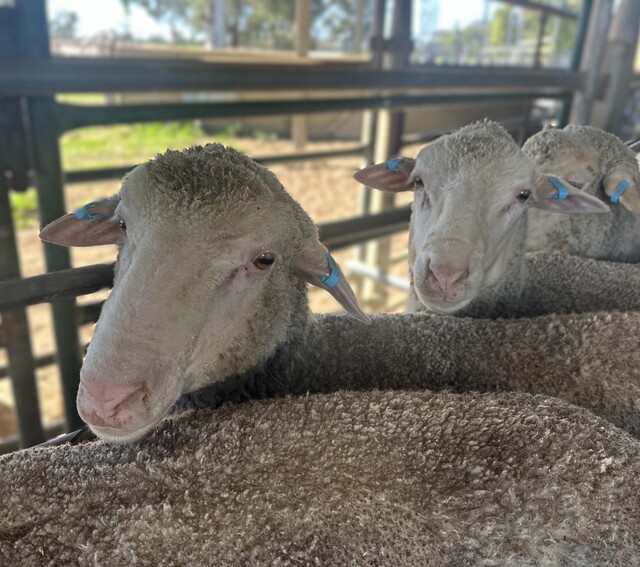
With the mercury dropping in parts of the country, sheep and goat producers are urged to consider weather conditions and length of journey when preparing to transport livestock.

Alina Hawkins, Chief Operating Officer at the Livestock and Rural Transporters Association of Victoria and co-owner of Hawkins Stock Transport, said old ewes and goats are particularly susceptible to cold weather.

“During winter, if goats and old ewes are not taken off water before long journeys, they’re at risk of getting wet and cold,” Hawkins said.

“Sheep and goats should be yarded and fed quality hay, but further considerations of body condition and skin length need to be discussed with your transporter.

“Generally, sheep and goats should be off water for at least 24 hours prior to transport in winter – however it’s most important to discuss the specifics of the trip with the transporter for the best outcome for everyone involved,” she said.

In her 20 years of livestock transport, Hawkins said preparation in the days before loading made all the difference.

“You put all the time and care into breeding and managing your livestock, so it’s important that care continues in the lead-up to transport as well,” Hawkins said.

“If they’re managed well before transporting, it reduces effluent and helps the animals travel better which reduces drama along the way,” she said.

Sharon Dundon, MLA Project Manager for Animal Wellbeing, said MLA’s newly launched Transport Hub has guidelines and advice specific to the class of animal being moved.

“Weather conditions are one of several things producers, agents and managers should discuss with their transporter when planning livestock movements,” Dundon said.

“The guidelines on the Transport Hub were developed in consultation with transporters on journey considerations for sheep, cattle and goa

“The type of feed, the class of livestock you are consigning and the duration of the journey, will all inform the appropriate time off feed and water prior to transport,” she said.
Digital Edition
Subscribe

Get an all ACCESS PASS to the News and your Digital Edition with an online subscription

A life with horses

There is something about the Australian bush that gets into your blood. That has certainly been the case for Tom Thomsen. His story could easily be...
More News

Backing for rural youth

Individuals supporting young people in remote, rural and regional Queensland are invited to apply for one-off grants of $50,000 to deliver new youth-focussed initiatives....

Prepare for the worst

So climate change is here and Mother Nature is showing us how much she can throw at our great island continent. Hundreds of...

No supermarket transparency for families in 2026: Littleproud

As families head to the supermarkets in 2026, they will probably realise that since Labor promised big action, to make prices fair, little has...

Course targets innovation

A new micro-credentialled cotton education program is set to strengthen skills and fast-track the uptake of innovation across the Australian cotton industry. The Cotton Research...

Growing millet crops

Millet crops sometimes get a bit forgotten when farmers make their summer planting decisions. So, I wanted to remind folks of how handy and...

EU Omnibus Changes: How CSRD and CSDDD Impact Supply Chain Due Diligence

Did you know European sustainability regulation has entered a new phase? A new set of updates known as the EU Omnibus has now been...

Durable and sustainable

Australian Concrete Posts (ACP) stands as the nation’s largest manufacturer of prestressed concrete posts, renowned for their exceptional durability and quality. With a purpose-built...

Cashing in on craze

Five and a half hectares of ponds stand between North Queensland aquaculture producer Nathan Cleasby and his goal of building the largest redclaw crayfish...

Summer crop mixed bag

Summer crop conditions across southern and central Queensland are proving to be a mixed bag, with early-planted sorghum delivering strong yields while later crops...

Building a stronger workforce

New research is set to improve understanding of the factors driving agricultural labour and skills shortages across five of Australia’s key food and fibre...