
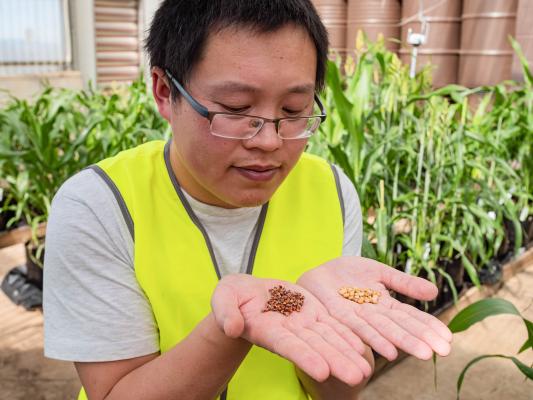
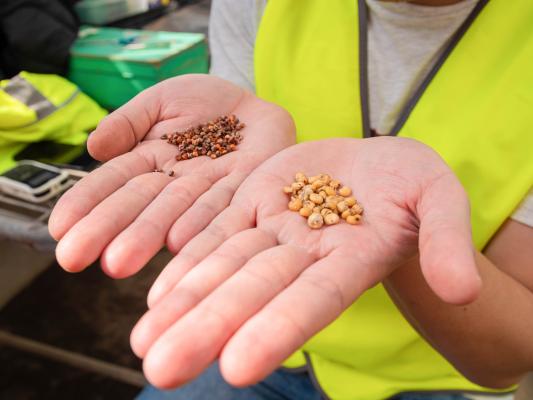
Big grain size is what croppers seek to achieve higher yields, better grading, fewer screenings and enhanced milling efficiency.
Well, in some good news, Queensland researchers have discovered genes in sorghum – Queensland’s most prolific summer crop – that could increase grain size without penalty.
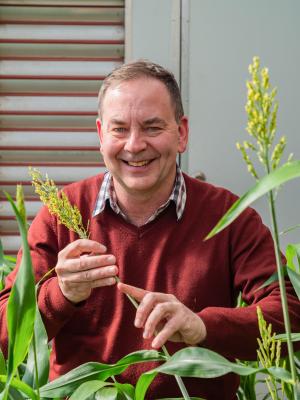
Led by Professor David Jordan and Dr Emma Mace, the work has been done at the Hermitage Research Facility in Warwick by the Queensland Alliance for Agriculture and Food Innovation (QAAFI) – a research institute of University of Queensland.
Professor Jordan said he was optimistic the value and versatility of Queensland’s primary cereal crop would improve following the discovery of genes that could increase the grain size of sorghum.
He said the production of small grains by droughted sorghum crops commonly resulted in losses to growers due to small seed but now, that may change.
“Sorghum is popular among Australian growers, particularly in the northern grain belt, due to its reliability and resilience,” Professor Jordan said.
“This research will help breeders to expand the crop’s potential.”
Sorghum is Australia’s third-largest grain crop, providing vital feed to animals, but is increasingly being used in cereals and other foods for human consumption.
“Sorghum has been an important dietary source of starch in Africa for thousands of years, but it is valued in western diets as a low-GI, gluten-free and nutritious grain,” Professor Jordan said.
“Larger grains improve processing efficiency making the crop more cost effective for use in animal feed and human foods.”
“One of the challenges for plant breeders trying to increase grain size in cereals such as sorghum is that larger grains are generally associated with reduced grain number and yield”
To address this problem, QAAFI research fellow Dr Yongfu Tao conducted one of the largest studies of cereal grain size globally, mapping the sorghum genome to identify genes associated with grain size.
In collaboration with Dr Emma Mace, he narrowed the search with existing genetic information from the genomes of rice and maize.
Dr Tao said 125 regions in the sorghum genome had been identified where variation in the DNA sequence was associated with grain size and response to environmental conditions such as drought.
He said he was able to demonstrate huge diversity existed in the sorghum gene pool for grain size.
“Genetic makeup largely determined an individual sorghum plant’s grain size, however environmental conditions also had an effect,“ Dr Tao said.
“This study has enabled us to identify genes that increase grain size but do not reduce grain number and provide tools to plant breeders to develop new sorghum hybrids with bigger grains.”
The project, in which the Department of Agriculture and Fisheries DAF was a partner, also delivered important information to help croppers improve sorghum cultivars.