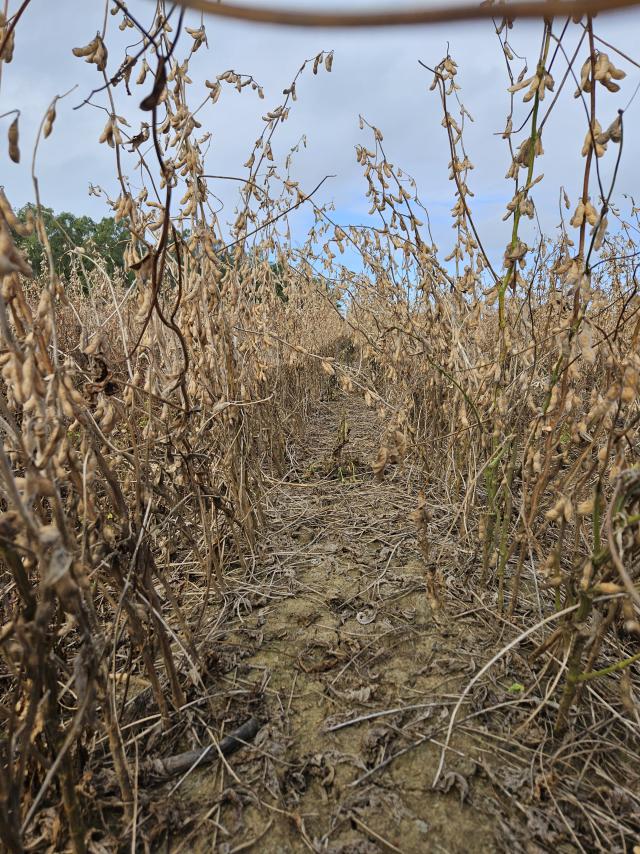
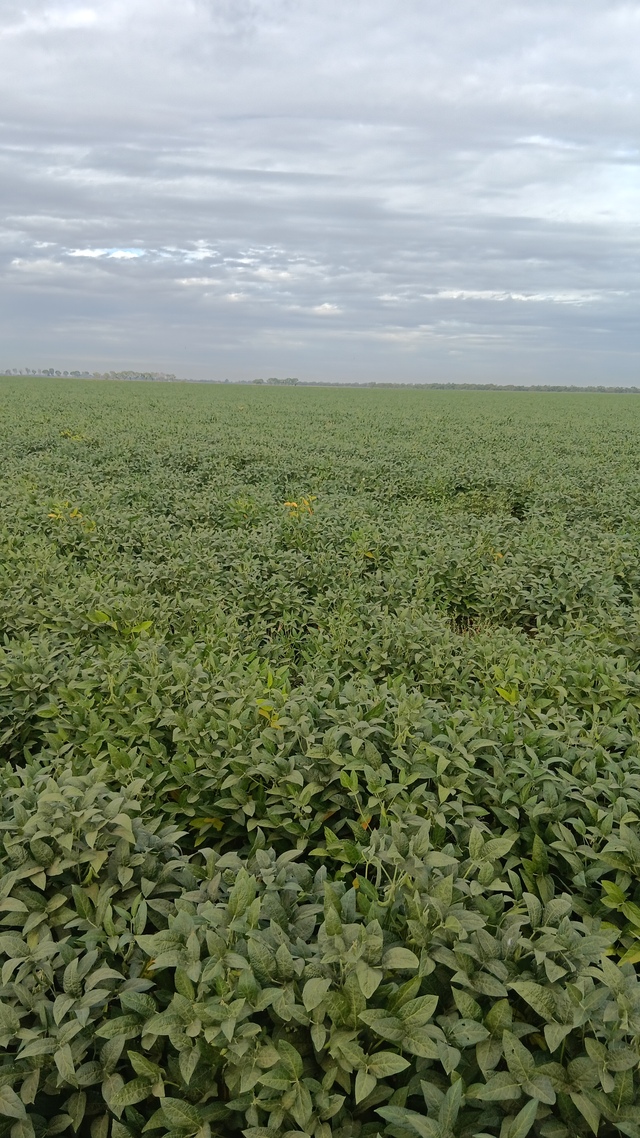
Dollars and durability are big reasons why farmers on the eastern seaboard of Australia continue to make soybeans their summer crop of choice, according to the peak industry body.
Soy Australia said it believed, after a challenging 2023/24 summer season in many key growing regions, soybeans had presented as a reliable crop choice for growers seeking a crop that would handle the vagaries of the weather.
“When it comes to summer crop options, our growers are chasing a crop they can be pretty confident will still be alive – and worth harvesting – at the end of the season,“ said Soy Australia’s industry development officer Judy Plath.
“Soybeans continue to prove they are a tough crop for our tough Aussie climate.”
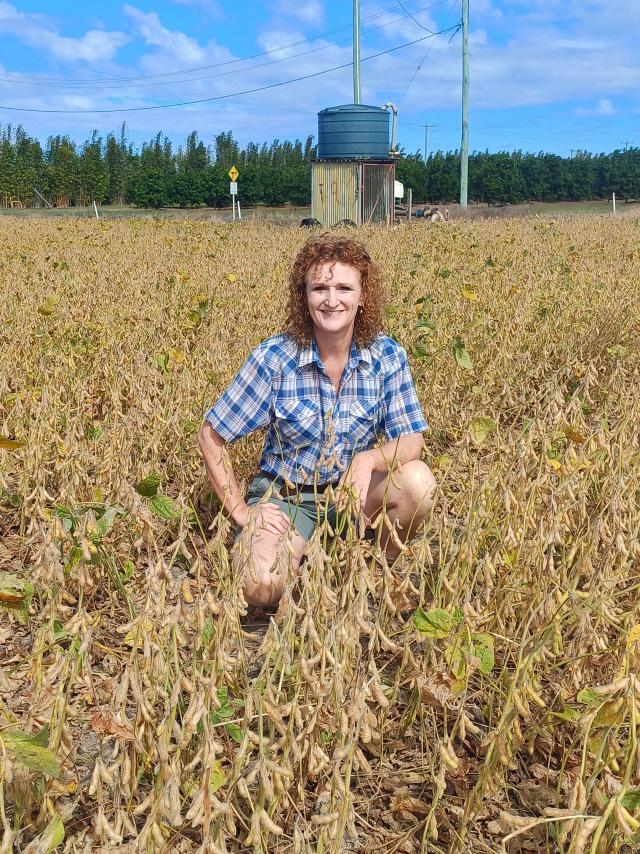
Mrs Plath, an agronomist working with Soy Australia to support the development of the Australian soybean industry, also farms with her husband, Jeff at Childers, south of Bundaberg in coastal Queensland.
“The 2023/24 summer season was pretty challenging in many of our key growing regions,” said Mrs Plath. “Excess rain, high humidity and high temperatures put the crops under a lot of pressure and resulted in extra insect and disease pressure for some regions.
“In fact, Soy Australia had to seek emergency use and minor use permits for a number of pesticides during the 2023/24 season to ensure growers had control options for the unusually high pest and disease pressure experienced in some regions.
“Fortunately, Fall Army Worm (FAW) was not one of those unusual insects. We only received reports of two soybean crops throughout all of Queensland and New South Wales where FAW were seen.“
According to Soy Australia, in some growing regions where growers had maize and soybeans on the same farm they spent much of the summer battling FAW in the maize, while the soybeans were far less appealing to the destructive grub.
“It was the weather that tested a lot of crops this season,” said Mrs Plath.
“The wet, humid and often overcast growing conditions experienced for extended periods in some regions had an impact on crop health, but the soybeans grew on regardless and, in some cases, produced higher than average yields.
“It just proves what a tough crop soybeans are. There’s not many other crops that are so durable during tough weather conditions.“
According to Soy Australia, disease pressure in wet seasons such as 2023/24 could see more growers using fungicides in their soybeans as a preventative management strategy.
“The strategic use of fungicides could become more common if we have another wet year like we’ve just had.
“We probably should start thinking of fungicides as a management tool we may need to use from time to time.
“The other big reason many growers choose soybeans for their summer crop is because they are such a great legume rotational crop.
“Soybeans break the pest and disease cycle for a lot of other crops, they return excellent amounts of organic matter to the soil and, of course, are a fantastic source of free nitrogen thanks to nitrogen fixation.
“In fact, 2013 research by NSW DPI shows soybeans are the best nitrogen fixing legume when compared to peanuts, mungbeans, chickpeas, lupins, faba beans and field peas.“
Regional Round Up
According to Soy Australia, in the far north of Queensland, growing regions like Ingham and the Burdekin experienced the extreme wet conditions of the monsoonal season hitting their soybean crops, with most crops surviving and harvested.
In fact, according to Townsville-based DAF Agribusiness Development Officer Brock Dembowski, most soybean crops in the region were at mid- to late pod fill when a flood hit in March this year.
“The Grain in the Rain project, running for its fourth consecutive year, encountered one of the largest floods to date with 200mm measured in March this year,” said Mr Dembowski.
The project is jointly funded by DAF and the Hinchinbrook Shire Council.
“I was really impressed to see how well the crops recovered from having three quarters of the plant under water,” said Mr Dembowski.
“We were a bit concerned how the quality of the flooded soybean seed would be affected but were pleasantly surprised to see the seed was of excellent quality at harvest.
“I’m pretty sure the use of an integrated pest management program helped to ensure the soybean pod was intact and without insect damage, which prevented the flood water from entering the pods during the flood event.“
According to Mrs Plath, in the Burdekin region of North Queensland, some soybean crops suffered through the monsoonal season yet still went on to produce some impressive crops.
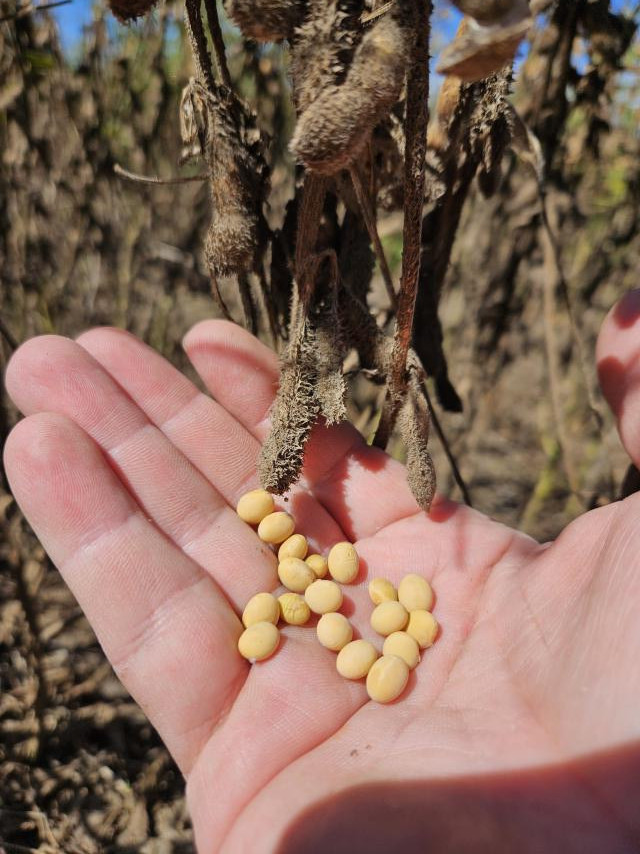
“I’ve heard reports of four tonnes per hectare and better yields being harvested off those extremely wet paddocks with many crops being of excellent quality and high in protein.
“Unfortunately, the relentless wet conditions in some areas meant some growers struggled to get their soybeans planted and they missed out on a crop this season.
“Mackay, for example, had a much smaller planting than in previous years due to growers simply being unable to get on the paddock during the planting window.“