

In a world-first, Australian scientists have discovered specific fungi that help to significantly reduce methane emissions from livestock, offering a breakthrough solution for agriculture to cut emissions.
The discovery provides livestock producers with a naturally-derived, scientifically-validated feed additive that can be integrated into existing operations and supply chains to drive methane reduction at scale.
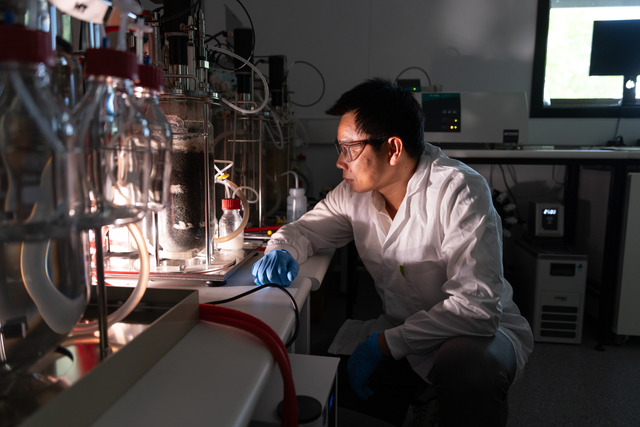
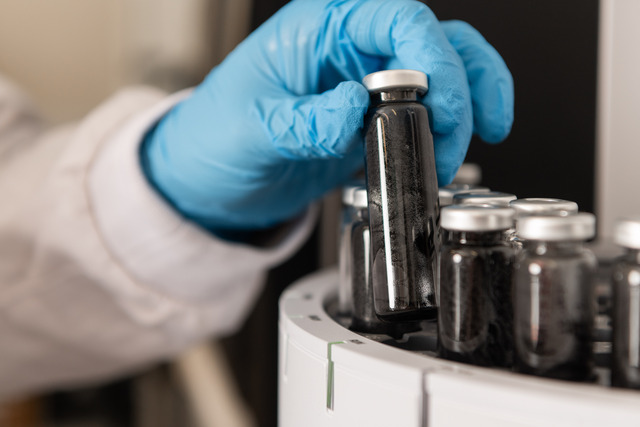
Discovered by Loam Bio’s Dr Abed Chaudhury – with validation and research and development led by Matthew Callaghan – this breakthrough was enabled by Loam Bio’s extensive library of soil fungi.
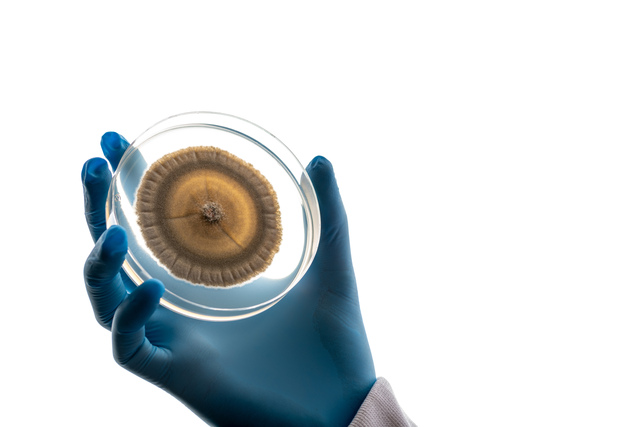
In Dr Chaudhury’s research across a wide range of fungi, he found that a very small selection of naturally-occurring species in the US and Australia have both the genetic capability and expression required to significantly cut methane produced by livestock.
“This is a true breakthrough and an exciting moment in microbiology to make such a profound discovery,“ he said.
“With this finding, I believe it to be imminently achievable to accelerate the way we offer agriculture the pathways to cut greenhouse gas emissions.
“Fungi make this possible in an elegant and highly scalable way.”
Supported by the Australian Government’s Methane Reduction in Livestock (MERiL) program, the research has paved the way for a dedicated spin-off from Loam Bio, called ROAM Agricultural.
This independent venture will drive the commercial impact of this naturally-occurring, fungal-derived technology, establishing ROAM as a market leader in climate tech solutions while complementing Loam Bio’s groundbreaking work in carbon sequestration.
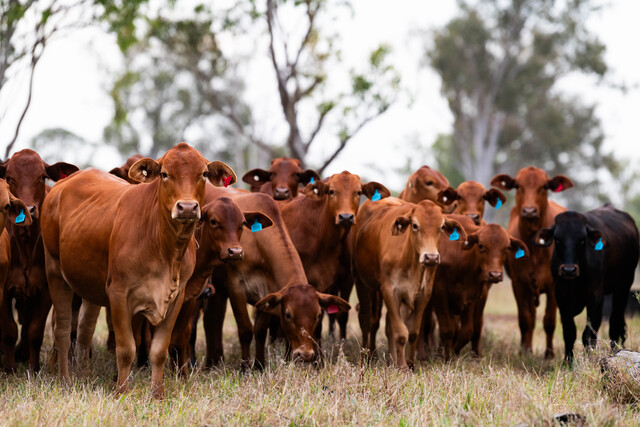
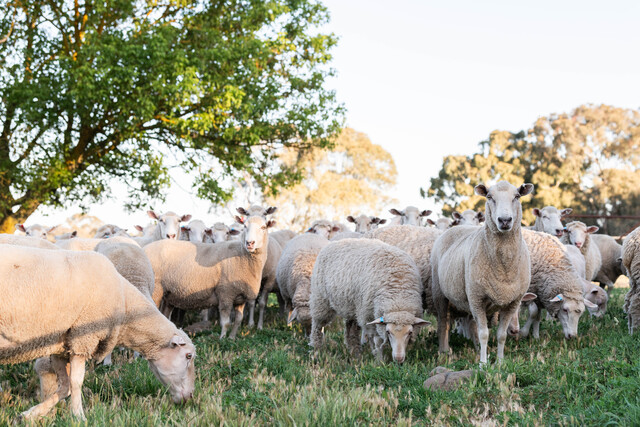
ROAM Agricultural CEO Derek Peterson said the breakthrough would provide the livestock industry, which is essential for feeding the global population, with the right set of tools to mitigate enteric methane emissions.
“ROAM’s proprietary naturally-occurring, non-GMO fungal-based methane reduction technology has been developed for seamless integration into existing livestock management practices,“ he said.
“Leveraging our patent-pending innovation, a facility no larger than a microbrewery can efficiently produce enough to supply a significant proportion of Australia’s national herd.“
The scientific breakthrough has been independently validated through a peer-reviewed publication, demonstrating that fungal-derived feed additive technology can reduce livestock methane by 90 per cent as cited in Biotechnology Reports.
Research Professor Dr Zoey Durmic from the University of Western Australia AgGHG Research Hub, has been involved in the initial testing in an artificial rumen using fungal extracts from the new technology.
“In early stage testing, the fungal extracts had considerable impact on reducing methane, including almost complete inhibition, without having negative impacts on rumen fermentation characteristics,“ Dr Durmic said.
“While the efficacy may reduce under less controlled conditions, we are excited about the potential of this to translate into high levels of methane reduction in trials with livestock under a variety of diets and production systems.”
Loam Bio co-founder and COO Tegan Nock said there was untapped potential for fungi to deliver practical solutions to some of the world’s big challenges and Loam Bio is providing the pathway for these discoveries to be made and commercialised.
“We use Loam’s rich microbial library, combined with our proprietary bioinformatics platform, to create impactful global climate solutions.
“Loam’s focus is on our products that sequester and stabilise carbon in agricultural soils, our R and D platform holds enormous value, demonstrated here by the discovery of a fungal solution for methane.
“We are proud to now spin out ROAM Agricultural to commercialise this fungal technology, for scalable impact for agriculture and our food system.”