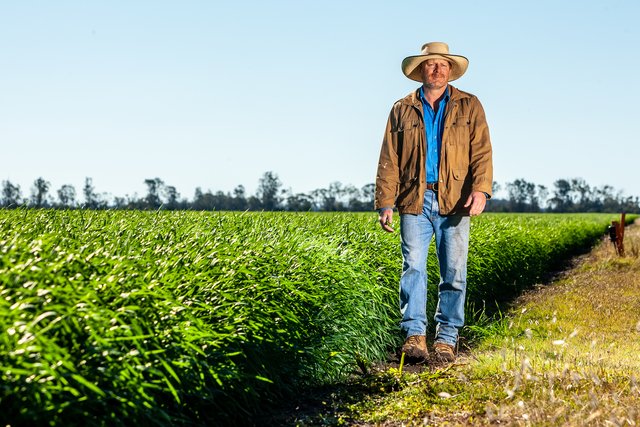
Summer crop conditions across southern and central Queensland are proving to be a mixed bag, with early-planted sorghum delivering strong yields while later crops are increasingly dependent on follow-up rain, according to Southern Downs grower and AgForce Grains president Brendan Taylor.
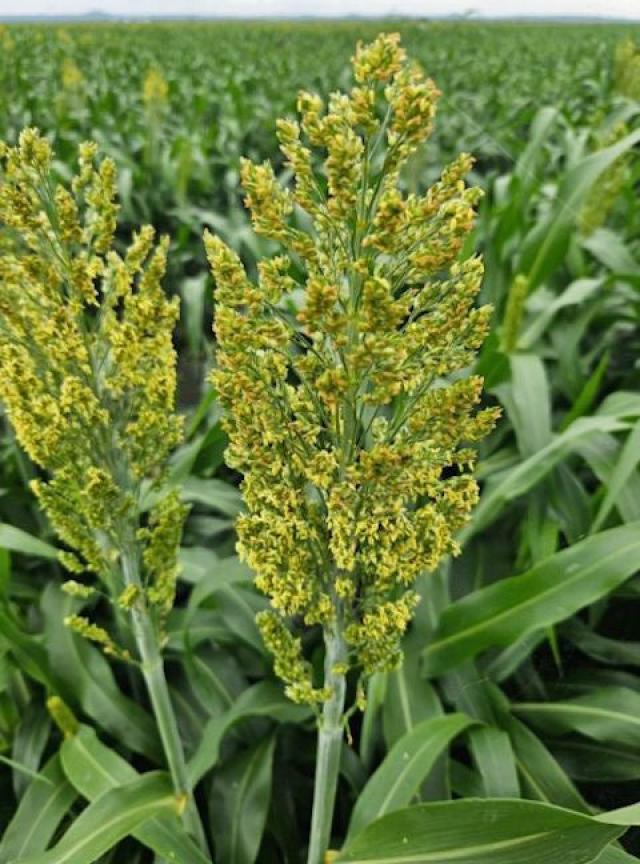
Mr Taylor said sorghum planted in late August and early September was now being harvested, with yield results exceeding expectations.
“Any of the sorghum that was planted back in early September or even late August is probably just starting to be harvested now and the yields are excellent,” he said.
However, he said December was very dry across much of the region, placing pressure on crops planted in November and December.
“The last month or so it’s been very dry, so the sorghum planted in November and December is really looking for rain.
“Some places have had it, some places have had way too much rain, particularly in central Queensland, while others are still waiting for anything of substance.“
Recent storm activity has delivered heavy falls in some districts, with totals of 100 to 120 millimetres recorded in parts of the Southern Downs over the past few weeks.
While welcome for soil moisture and groundwater recharge, the rain has complicated harvest operations.
“It has allowed us to plant some mung beans, which is great, but it’s hindering our sorghum harvest because we can’t get into the paddock while it’s still so wet underfoot,” Mr Taylor said, adding growers were now waiting for a dry window to resume harvesting.
Despite the seasonal variability, market conditions remain favourable, with strong export demand supporting prices.
“The sorghum market is really strong at the moment, with good export demand for Australian sorghum, which has kept the market pretty solid,” he said.
Mr Taylor said variable storm patterns were typical for this time of year, but could be frustrating for growers trying to balance planting and harvest.
“It is a big gamble. Some storms hit and others miss and that’s just part of farming,” he said.
Sorghum and cotton on track, weather key to yields
Queensland’s summer crop output is forecast to be robust in 2025-26, even if total production edges lower than the record levels of last season.
Sorghum production is expected to sit at about 1.6 million tonnes, 35 per cent above the decade average, buoyed by favourable soil moisture and timely rainfall during planting windows, particularly in southern cropping regions such as the Darling Downs.
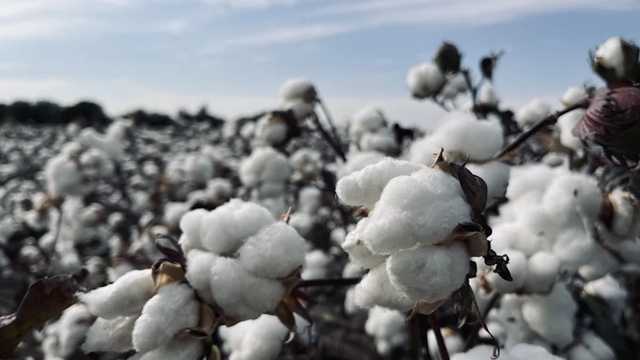
Cotton lint production is also forecast to remain strong, with some 390,000 tonnes expected in Queensland – about 20 per cent above the 10-year average – despite a modest reduction in area planted and slightly lower expected yields than last season’s near-record outcome.
Industry agronomists say the crop development to date reflects a mixture of dodging severe dry spells and benefiting from well-timed precipitation.
One said crop conditions in parts of central Queensland had been “pretty good” overall, noting that recent rains in central districts have slowed harvest access but are not expected to hurt final crop quality.
Outlook – weather remains a critical factor
While the Bureau of Meteorology’s outlook suggests a mixed rainfall picture for the coming months, average to above-average soil moisture from recent rains has provided a solid foundation for summer crop growth.
However, agricultural leaders caution that weather variability will continue to influence yield outcomes, particularly as crops reach critical stages later in the season.
“With timely rainfall and soil moisture currently supporting crops, there’s optimism across many districts,” said one industry adviser, “but growers know how quickly conditions can change, and they’re monitoring forecasts closely.”
In summary, summer crop progress in southern and central Queensland reflects resilience in the face of variable conditions, supported by strong seasonal starts, prudent agronomy and a mix of rainfall patterns that have, so far, helped the region maintain production prospects well above longer-term averages.