Burnett Mary Regional Group is well and truly delivering on supporting landholders in fostering sustainable agriculture practices.
From extension support to providing valuable resources and hosting field days with standout speakers, BMRG is focussed on providing opportunity for landholders.
This is being achieved through Empowering Adaptive Graziers in the Burnett Mary, delivered by the Burnett Mary Regional Group (BMRG), part of the $6 million grazing practice change program, funded through the Queensland’s Governments Queensland Reef Water Quality Program.
Empowering Adaptive Graziers in the Burnett Mary was developed to assist graziers on their journey to grazing practice change, building landscape resilience, focussing on increasing ground cover and biomass. Adopting these strategies strengthens farm business planning and encourages a more proactive, resilient grazing region. The program has played a role in creating awareness of reef protection regulations and compliance for graziers around improving land condition.
Graziers signed up to the program last year, many located in the South, Central and North Burnett. The interest in the program was overwhelming. This came at a time when a lot of primary producers were still feeling the impact of natural disasters, including droughts, floods and bushfires. BMRG had identified these issues by connecting with landholders, listening and understanding concerns.
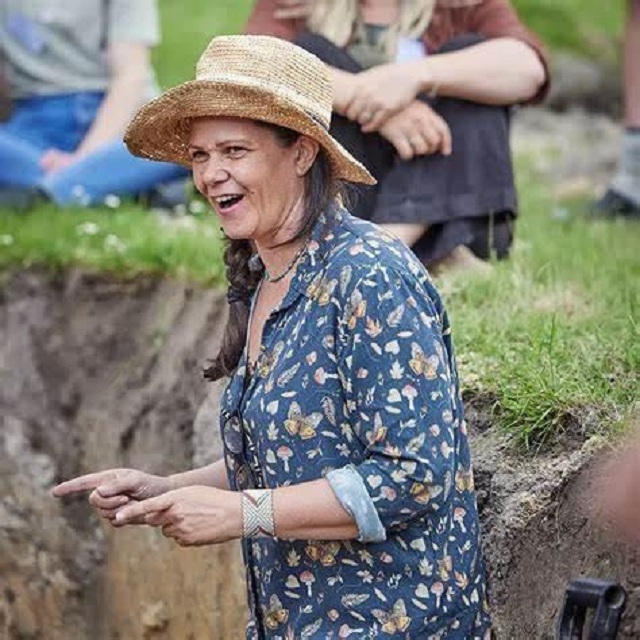
Empowering Adaptive Graziers in the Burnett Mary enabled graziers to complete subsidised courses in grazing land management with RCS, natural sequence farming courses with Tarwyn Park Training, and the opportunity to attend a soil health masterclass with Internationally acclaimed agroecologist Nicole Masters. These courses supported graziers in their plans to improve landscape function, production and profitability on-farm.
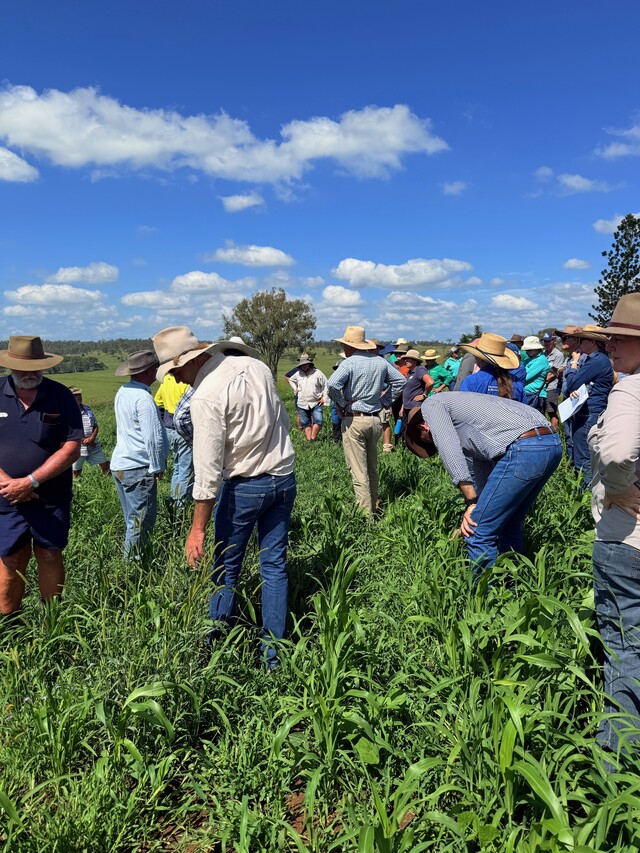
Join us for our next field day, Developing Thriving Grazing Landscapes, a complimentary catered event in Biggenden, on-farm, demonstrating ways to improve a grazing management system, hydrating the landscape and improving soil health through building plant diversity.