
The 2025/26 cotton season is progressing in parts of Queensland, with crops emerging in warmer climates, while growers in southern regions await hotter weather.
While still early, the season has started positively In the Central Highlands, where growers began planting in early August. Most report healthy plant growth, which reflects sufficient moisture in soil profiles and warm ground temperatures.
Cotton Australia general manager Michael Murray concedes however the availability of water there remains uncertain.
He said some regions had no new allocations and were relying on existing supplies, with the prospect of new allocations only possible if rain boosts dam levels.
“In general, our growers remain positive on this season’s crop and, while it varies from region to region, many are reporting good conditions including soil profiles and moisture content,“ Mr Murray said.
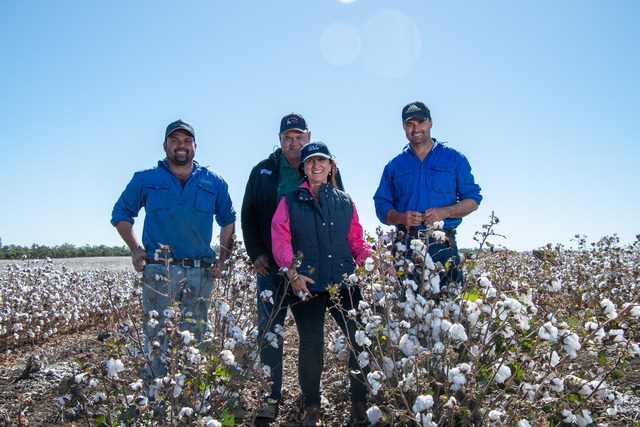
Emerald grower Ross Burnett said with no water allocation this season but with some carryover from last season, he was hopeful of a good crop.
“We have taken a calculated risk to be planting with the limited water we have so we are somewhat hedging our bets on the spring rain and hoping that arrives earlier rather than later,“ he said.
“If we get enough rain by November/December and achieve inflows into the dam, then things can turn around quite quickly and any
allocation will help us to grow economic yields.”
Mr Murray of Cotton Australia said the signs for this season were positive, with Australia’s 1500 cotton growers – 90pc of them family farmers – expecting to generate about 910,000 tonnes of quality fibre and close to 1.1m tonnes of cotton seed.
“This year we are expecting about 393,000 green hectares to be planted, predominantly in New South Wales and Queensland, with crops also being planted in the Northern Territory and Western Australia,“ he said.
“If expectations are accurate, we will see more than $2.7 billion generated for the national economy with most of that money filtering down into the 249 communities that benefit directly from cotton growing.”
October is the month when most growers start planting cotton, however with the cotton footprint spreading across Australia, particularly in the north, planting and picking dates can vary considerably due to differing conditions.
In some regions picking and planting falls in the same month.
The global outlook for cotton is stable and, while the price is flat, demand for Australian cotton is expected to continue due to our geographic position close to major buyers and the quality and strength of our fibre.
“We have witnessed prices of up to $1000 per bale but the latest trends show the price hovering around the $550/bale with the price outlook suggesting a $600/ bale is possible in the next 12 months,“ Mr Murray said.
“We export everything we produce and, thankfully, demand is still strong with recent figures from cotton marketing news service Cotton Compass revealing that in July 26pc of bales exported went to China, 19pc to India, 15pc Vietnam and 13pc both to Bangladesh and Indonesia.
Cotton Australia’s regional managers in Queensland have provided up to date seasonal reports:
Central Highlands:
Cotton planting has been underway for several weeks with cotton already emerging in some areas and growers already doing first irrigations. The cotton is looking healthy, pleasing growers with plant stands looking strong. Although there has been an announced water allocation of zero per cent for growers so far this year, about 14,000 hectares of irrigated cotton is still expected due to “carry-over“ irrigation water from the previous season. About 4000 hectares of dryland is also expected. Ginning will continue through to November, with some cotton still being carted into the gin from northern Queensland growers.
Dawson and Callide Valleys:
Some growers have started planting the expected 8500 hectares of irrigated cotton with some already finished. Dryland growers are expected to plant in November. It has been a positive start to planting, with full allocations helping growers.
Darling Downs:
The main planting window extends until the end of November. At this stage, anticipating 36,000ha of irrigated crop and a further 12,000ha of dryland crop to be planted in this coming 2025/26 season.
Rainfall over the winter months has led to mostly full water storages and good soil moisture profiles.
Ginning from the 2024/25 crop is anticipated to be finished by the end of October.
In the Brisbane Valley some planting began on 28 August, with seedlings emerging seven days later due to good conditions.
Macintyre Valley:
Growers are expected to plant about 20,000 hectares irrigated and 8000 hectares dryland. There has been recent rainfall but this won’t affect cotton plants at the moment.
St George/ Dirranbandi and Mungindi:
September temperatures have been following the averages and the CSD FastStart Soil temperature sites in the region are all suggesting “good“ soil temperature conditions for planting. Estimates are St George and Dirranbandi will plant about 18,000ha (all irrigated) and Mungindi about 15,000ha irrigated plus 5000ha dryland.