Get the latest news to your email inbox FREE!

REGISTER

Get the latest news to your email inbox FREE!

REGISTER
HomeNewsProducers urged to inspect cereal crops amid fall armyworm outbreak

Producers urged to inspect cereal crops amid fall armyworm outbreak

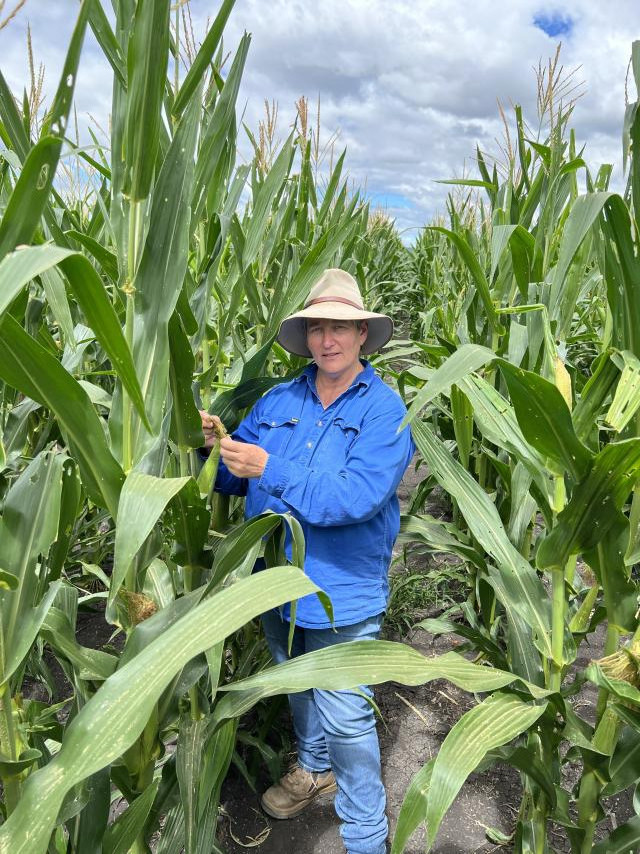
Dairy farmers and graziers are urged to inspect their crops amid fall armyworm (FAW) infestations in forage oats across southern-growing regions.

Reports of FAW impacting oats have surfaced from regions including the inner Downs, Southern Downs, Western Downs and Rolleston in central Queensland.

“Emerging and establishing crops are at greatest risk of complete defoliation and plant death,” Department of Agriculture and Fisheries principal entomologist Dr Melina Miles said.

“Growers and agronomists are encouraged to check crops for evidence of FAW within seven to 10 days of emergence.

“In oat–pasture mixes you may see damage to grasses and broadleaf pasture species when the FAW have consumed the oats and move as larger larvae.”

These infestations come at the end of the most severe season since the pest arrived in Australia in 2020.

If Queensland experiences a mild autumn, FAW activity in winter crops and pastures is expected to persist, but the rate of damage will slow as average temperatures decline.

Emerging and establishing crops are at greatest risk of complete defoliation and plant death.

Crop-checking intervals of seven to 10 days will avoid damaging infestations going undetected.

Look for windows or holes in leaves where small larvae have fed, or evidence of more substantial feeding with tillers cut off and plants completely eaten.

Bare patches in the paddocks and dying plants are indicative of more severe infestations.

Don’t rely just on finding damage — pull up damaged plants and confirm the presence of larvae (caterpillars).

Medium and large larvae may shelter under the soil surface at the base of plants during the day.

Carefully inspect the soil around the base of damaged plants. Damage to stems by these larger larvae can result in plant death from dehydration or disease.

Once larvae are 20mm long they will cause significant damage in a short period of time.Timely detection is crucial to minimise losses and safeguard yields.

If FAW is detected, growers should seek support from their local agronomist.

Further information: Resources on identification of FAW and symptoms of damage to oats and other crops are available on The Beatsheet (www.thebeatsheet.com.au).

If you think you’ve seen fall armyworm, call your local agronomist or contact the Department of Agriculture and Fisheries on 13 25 23 or visit daf.qld.gov.au
Digital Edition
Subscribe

Get an all ACCESS PASS to the News and your Digital Edition with an online subscription

Eromanga the ‘Kuwait of Australia’

A renewed push to unlock oil reserves in western Queensland is gaining momentum, with the tiny outback town of Eromanga emerging as a potential...
More News

Upgrade secures future

South Burnett’s Coolabunia Saleyards have been in operation for 44 years, and after four decades of service, have seen some much needed upgrades. On...

Hoofbeats around the world

At one point Pam Karner was lying on the ground, crying to herself in pain. Her horse was above her. That was when she realised...

Sunshine State success

Queensland’s value-adding food and beverage sector has claimed national bragging rights, with a Brisbane brewery and a Sunshine Coast distillery taking top honours at...

Footy field to farm gate

Premiership-winning forward Corey Jensen has spent his professional rugby league career earning a reputation for toughness, consistency and quiet determination on the field. Now, the...

Talking risk management

In 2025, QFF and Biosecurity Queensland launched the Biosecurity in the Boardroom initiative in Brisbane, bringing together corporate, industry and government leaders from sectors...

Woombye rum crowned Australia’s best

A Sunshine Coast distillery has claimed the nation’s top honour at the 2026 Royal Queensland Distilled Spirits and Beer Awards, held at the Brisbane...

Nannas protest ’stitch-up’

Farmers stood shoulder-to-shoulder with a group of self-described Knitting Nannas outside the Toowoomba office of Queensland Treasurer David Janetzki last month. They called on the...

Floods and Ferts

This story is contributed by Australian Pump Industries Chief Engineer, John Hales. John comes from an agricultural background and has been instrumental in...

Dog Trials return to CQ

Australia’s most prestigious working dog event will return to Central Queensland when the Ray White Livestock Rockhampton Working Dog Sale and Trial is held...

Disaster grants available

​* Primary producers impacted by latest flood event can now access disaster grants up to $75,000 and disaster loans up to $2 million. * Affected...