Soaring input costs are sparking renewed interest in regenerative agriculture.
As winter cropping nears, producers are nervously watching compound phosphorus fertiliser costs double last years, urea prices treble and freight and energy costs at record highs.
This, combined with uncertainty about grain prices and seasonal forecasts, has croppers seeking alternative ways to improve profitability and create more sustainable farming systems.
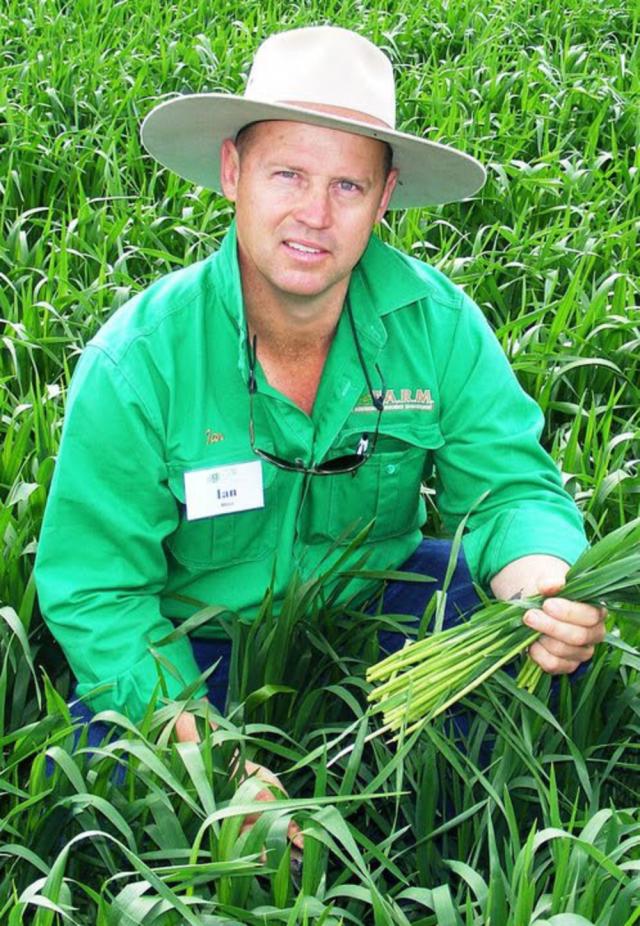
For more than 25 years, agronomist Ian Moss has led innovative farmers in developing economic sustainability through regenerative agronomic practices.
Mr Moss, founder and managing director of Farm Agronomy and Resource Management (FARM), Southbrook said interest in regenerative farming was “certainly growing”.
“There are two main reasons landholders come to us,” he said.
“Either they’ve heard about regenerative ag and what we do or, more often, I’m getting calls from people saying, ‘I don’t know what I need to change but know I need to change something’.
“This is mainly because they’re experiencing increases in farming costs but not seeing this translated into increasing yields.
“Our job at FARM is to help farmers make sustainable farming profitable.
“It is really about the farming system and starting to understand and appreciate the actions we take and how they affect everything else, in terms of the long-term health of our soil.
“Healthy soil is the greatest asset we have that drives profitability for farmers, it’s worth nurturing this resource.”
Mr Moss said the aim was to build the soil’s capacity to improve productivity and profitability by focusing on its quality, namely through increasing soil organic matter levels.
He said multi-species plantings of cover crops were integral to improving soil health and ground cover and needed to be balanced against rainfall capture and storing soil moisture.
The next big step was looking at soil fertility as a whole and moving to more long-term thinking and planning.
“As agronomists and farmers, we are really good at looking at a paddock and working out how to make the most money from it in the next six months,” Mr Moss said.
“What we aren’t so good at, is understanding the impact of crop sequences, fallows and covers over 10 years. These are things that make a big difference to profitability.
“To determine what is needed long term requires us to look at what is holding back yield – typically we work on improving rainfall capture and access to nutrient pools over time.”
Mr Moss said he advises his cropping clients to keep some of their area for “summer cash cropping even if they have planting moisture for winter crop planting”.
This spreads risks and creates the ability to respond to unexpected rainfall and planting opportunities in a changing climate.
A typical scenario is a farm working towards a five-year rotation of three winter cash crops in a row then a long fallow summer cash crop.
“When switching seasons, we look to fill the spring bare fallow with cover crops allowing us to end summer with more stored moisture and reverse the continual decline of soil carbon levels that are so critical to soil functions and yields,” Mr Moss said.
“The best farmers keep just 23 per cent of summer fallow rainfall to grow a winter crop, leaving a huge opportunity to capture and utilise more rainfall.
“Another advantage is the reduced fallow weed control required when we go into spring with enough cover to out-compete weeds.
“Farmers tell us that the money saved from reduced spraying often pays for the cover crop planting, which is definitely a win-win.”